
Lupus Awareness Month: Shedding Light on a Silent Disease

May is Lupus Awareness Month, a time to bring attention to a disease that often hides in plain sight. Lupus, an autoimmune disease that affects millions worldwide, is especially prevalent in communities of color. At Marin City Health and Wellness Center, we’re committed to raising awareness, providing care and encouraging early detection, because early action can change lives.

What Is Lupus?

Lupus is a chronic autoimmune disease in which the immune system attacks healthy tissues and organs. It can affect the skin, joints, kidneys, brain and other organs, leading to widespread inflammation and tissue damage. Lupus is complex and varies greatly from person to person, which is why it’s often called “the great imitator”; its symptoms can mimic many other conditions.

Who Gets Lupus?

Lupus doesn’t discriminate, but it doesn’t affect everyone equally:


  • 90% of people diagnosed with lupus are women, typically between the ages of 15 and 44.
  • Black women are three times more likely to develop lupus than white women.
  • Lupus also disproportionately affects Latinas, Asian Americans and Native Americans.
  • Family history can increase risk, though most people with lupus have no close relatives with the disease.

Why Does Lupus Hit Minority Communities Harder?

Several factors contribute to the higher prevalence and severity of lupus in people of color:


  • Genetic predisposition
  • Socioeconomic barriers to healthcare access
  • Delayed diagnosis due to disparities in medical attention
  • Environmental factors, such as exposure to pollutants and chronic stress

In Marin City and the greater Bay Area, addressing these disparities is part of our mission at MCHWC. We work to eliminate barriers to care and ensure every individual, especially those in underserved communities, can access timely diagnosis and treatment.

Is Lupus Deadly?

Lupus can be life-threatening if left untreated. It’s a serious disease, but with early diagnosis, ongoing care and the right treatment plan, many people with lupus live long, healthy lives.


  • The severity of lupus varies. Some may experience mild symptoms, while others deal with severe organ damage.
  • Kidney disease, cardiovascular issues and infections are among the most serious complications.
  • Early intervention is key to improving quality of life and preventing life-threatening outcomes.


Are There Different Types of Lupus?

Yes. There are four main types of lupus:
  1. Systemic lupus erythematosus (SLE) – The most common form, which can affect multiple organs and systems.
  2. Cutaneous lupus – Affects only the skin, leading to rashes and lesions.
  3. Drug-induced lupus – Triggered by certain medications; symptoms often disappear once the malegra drug is discontinued.
  4. Neonatal lupus – A rare condition that affects newborns of women with lupus.

What Are the Symptoms of Lupus?

Lupus symptoms can vary widely and often come and go in flares. Some of the most common include:


  • Fatigue and fever
  • Joint pain and swelling
  • Skin rashes, especially a butterfly-shaped rash across the cheeks and nose
  • Sensitivity to sunlight
  • Hair loss
  • Chest pain when breathing deeply
  • Fingers and toes turning white or blue in cold (Raynaud’s phenomenon)
  • Memory problems or confusion

Because these symptoms overlap with many other conditions, lupus is notoriously difficult to diagnose. On average, it takes six years from the onset of symptoms for a person to receive a correct diagnosis.

Can Lupus Be Prevented?

There’s no known way to prevent lupus, but you can take steps to reduce the risk of triggering flares or worsening the disease:


  • Protect your skin from the sun. UV light can trigger or worsen lupus symptoms.
  • Avoid smoking. Smoking increases the risk of cardiovascular disease and lupus complications.
  • Maintain a healthy lifestyle. Diet, exercise, and stress management can help your immune system stay in balance.
  • Stay on top of regular checkups. Early detection of symptoms and changes in your health can help keep lupus under control.


How Is Lupus Treated?

There’s no cure for lupus, but treatment can reduce symptoms, prevent flares, and protect organs from damage. Treatment plans are highly individualized and may include:


  • Anti-inflammatory medications for pain and swelling
  • Immunosuppressive drugs to control the overactive immune response
  • Antimalarials, like hydroxychloroquine, which help manage skin and joint symptoms
  • Steroids to reduce inflammation during flares
  • Lifestyle changes, such as stress reduction, rest and balanced nutrition

Patients living with lupus benefit most from a coordinated care team. At MCHWC, we prioritize culturally responsive care and whole-person support for chronic disease management.

Living with Lupus: What You Need to Know

  • Stay informed. Educate yourself about lupus and advocate for your health.

  • Build a care team. Doctors, specialists, mental health counselors and support groups can all play a role.

  • Track your symptoms. Keeping a journal helps identify flare triggers and treatment effects.

  • Prioritize your mental health. Chronic illness takes a toll; counseling and peer support can make a big difference.


Lupus in Our Community: Why Awareness Matters

Here in Marin City, where many residents face compounding health inequities, awareness of lupus can save lives. Lupus often goes undiagnosed, especially in communities of color. Delays in diagnosis and care mean preventable complications and unnecessary suffering.

That’s why MCHWC encourages regular checkups, open conversations with your provider, and early evaluation if symptoms arise. We’re here to support your wellness—mind, body and community.

How You Can Support Lupus Awareness

  • Wear purple in May to show your support.

  • Share your story or amplify the voices of others living with lupus.

  • Donate to organizations funding lupus research or patient support.

  • Schedule a wellness exam at MCHWC if you’ve experienced any symptoms.

  • Talk to friends and family about lupus and how it impacts communities of color.

Empowerment Through Education

Lupus is a complex disease, but knowledge is power. By raising awareness, encouraging early diagnosis, and ensuring equitable care, we can make a real difference. This Lupus Awareness Month, let’s stand together with those living with lupus and work toward a future with earlier detection, better treatment and health equity for all.


If you or someone you love is experiencing symptoms of lupus, don’t wait. Make an appointment with a provider at Marin City Health and Wellness Center today.

About MCHWC

Marin City Health and Wellness is a community health clinic serving Marin and San Francisco Counties, providing innovative health and wellness services to all, with the goal of African American health equity.


Make your appointment today by calling (415) 339-8813, available 24/7.

Filed under: Marin City Clinic

Health Equity in Action: Marin City Honors Minority Health

April marks National Minority Health Month (NMHM), a time dedicated to raising awareness about the health disparities affecting racial and ethnic minority populations in the United States. Established in 2002 by the U.S. Congress, NMHM builds upon the legacy of National Negro Health Week, initiated by Booker T. Washington in 1915 . The month-long observance emphasizes the importance of health education, early detection, and disease prevention to improve health outcomes in minority communities.


At the forefront of this mission is the Marin City Health and Wellness Center (MCHWC), a community health center committed to providing comprehensive, culturally competent care to underserved populations in Marin City, California. During NMHM, MCHWC intensifies its efforts to address health disparities and promote health equity within the community.

The Significance of National Minority Health Month

NMHM serves as a crucial platform to highlight the persistent health inequities faced by minority populations. These disparities are evident in various health indicators, including higher rates of chronic diseases, limited access to healthcare services, and lower life expectancy.


The observance encourages collaboration among federal, state, local, and community organizations to develop strategies aimed at reducing these disparities. By focusing on health education and preventive measures, NMHM seeks to empower individuals and communities to take charge of their health.

A Pillar of Community Health

MCHWC plays a vital role in addressing the unique health needs of Marin City’s diverse population. The center offers a range of services, including primary care, dental services, mental health counseling, and substance abuse treatment, all tailored to meet the cultural and linguistic needs of the community.

During NMHM, MCHWC organizes various initiatives to engage the community and promote health awareness:


  • Health Fairs and Screenings: Offering free health screenings for blood pressure, glucose levels, and cholesterol to encourage early detection of chronic conditions.
  • Educational Workshops: Conducting sessions on nutrition, physical activity, and stress management to promote healthy lifestyles.
  • Community Outreach: Collaborating with local organizations to disseminate health information and resources throughout Marin City.

Health Disparities in Marin City and the Bay Area

Despite being located in one of the wealthiest counties in California, Marin City faces significant health disparities:​


  • Life expectancy: Residents of Marin City have a life expectancy of 77.1 years, compared to 85.2 years for Marin County overall, highlighting a substantial gap.​Marin Health and Human Services
  • Chronic diseases: Higher prevalence of conditions such as hypertension, diabetes, and asthma among African American and Latino populations.​Wikipedia
  • Access to care: Limited availability of healthcare providers and services within the community, leading to delayed diagnoses and treatment.​


These disparities are reflective of broader trends observed throughout the Bay Area, where minority communities often experience lower health outcomes due to socioeconomic factors, environmental exposures, and systemic barriers to care.

Strategies for Advancing Health Equity

Addressing health disparities requires a multifaceted approach that involves policy changes, community engagement, and targeted interventions. MCHWC employs several strategies to promote health equity:​

  • Culturally competent care: Providing services that respect and respond to the cultural and linguistic needs of patients.​
  • Community partnerships: Collaborating with local organizations, schools, and faith-based groups to extend the reach of health initiatives.​
  • Health education: Empowering individuals with knowledge and resources to make informed health decisions.​
  • Advocacy: Engaging in policy advocacy to address systemic issues contributing to health disparities.​

Top Ways to Protect and Improve Your Health

  1. Establish a Relationship with a Primary Care Provider
    Regular checkups help with early detection of conditions like diabetes, hypertension, and heart disease, which disproportionately affect some minority groups.

  2. Know Your Family Health History
    Sharing this information with your doctor can help you understand your risks and take preventive steps earlier.

  3. Get Screened and Stay Up to Date on Vaccinations
    Routine screenings (blood pressure, cholesterol, mammograms, colon cancer, etc.) can catch issues before they become serious.

    Vaccines protect against illnesses like the flu, COVID-19, and HPV


  4. Eat Nutrient-Dense, Culturally Familiar Foods
    Traditional diets often include healthy staples (like leafy greens, legumes, yams, and fish). Embrace and modify recipes to reduce salt, sugar, and processed fats.

  5. Move Your Body in Ways That Feel Good
    Whether it’s dancing, walking with family, or community sports, physical activity lowers risk for many chronic illnesses.

  6. Prioritize Mental Health
    Seek support from trusted providers or community-based counselors. Culturally competent mental health care is critical—and increasing in availability.

  7. Limit Tobacco, Alcohol, and Substance Use
    These increase the risk of cancers, liver disease, and other serious health issues—especially when used to cope with stress or trauma.

  8. Advocate for Yourself in Healthcare Settings
    Ask questions. Take notes. Bring a support person if needed. Your voice matters in your care.

  9. Access Community Health Resources
    Local health centers (like Marin City Health and Wellness Center) often offer sliding scale services, free health screenings, and wellness programs.

  10. Get Involved in Community Wellness
    Attend health fairs, join walking groups, participate in local food co-ops—community-driven health supports are powerful and accessible.

The Work Ahead

National Minority Health Month serves as a reminder of the ongoing efforts needed to achieve health equity. Through its dedicated services and community-focused initiatives, Marin City Health and Wellness Center exemplifies the impact that local health centers can have in addressing disparities and improving health outcomes for minority populations. By continuing to foster partnerships, advocate for policy changes, and provide culturally competent care, MCHWC remains a beacon of hope and health for the Marin City community.

About MCHWC

Marin City Health and Wellness is a community health clinic serving Marin and San Francisco Counties, providing innovative health and wellness services to all, with the goal of African American health equity.

Make your appointment today by calling (415) 339-8813.

References

Filed under: Marin City Clinic

New Teen Clinic at MCHWC Offers Confidential, No-Cost Care for Local Youth

For teens navigating questions about their health, having access to trusted, confidential care can make all the difference.

MCHWC’s recently opened Teen Clinic is doing just that—offering a safe, welcoming space where young people can get support on their own terms.


Open during designated clinic hours at the Women’s Health Center in San Rafael, the Teen Clinic provides free medical and counseling services to anyone age 12 and up, with no need for parental permission or insurance. Walk-ins are welcome, and teens are encouraged to come alone, with a friend, or with a partner.


“Our goal is to make health care feel accessible, respectful, and truly centered on the needs of teens,” said MCHWC Nurse Practitioner Patricia Brockley, with more than 20 years of experience in adolescent and reproductive health. “This is about giving young people the information and support they need to make informed decisions.”

Meeting Teens Where They Are

The clinic offers a wide range of services at no cost, including pregnancy testing, birth control options, STI and HIV testing, and health education. Teens can speak with medical professionals about anything from sexual health, to relationships, and general wellness.

“We want teens to know this is their space,” said MCHWC Nurse Practitioner Jennifer Cromar, who has worked in reproductive health for over two decades. “They can ask questions without fear of judgment, and we’re here to listen. It’s about creating trust and helping them feel confident in their choices.”

Services Designed for Teens

Our new clinic underscores MCHWC’s commitment to providing equitable and accessible care for the community. We’re here to support teens in making informed choices for their health and well-being.

The Teen Clinic offers a range of free health services in a supportive and judgment-free environment, including:

  • Birth control options and supplies
  • Emergency Contraceptives
  • Pregnancy testing and counseling
  • STI/HIV testing and exams
  •  Health and reproductive education

You’ll be seen by trusted Nurse Practitioners: Patty Brockley and Jennifer Cromar, who truly understand and care about teens.

Accessible, Confidential, and Free

The Teen Clinic is open to all teens; walk-ins are welcome Friday afternoons from 1:30-4:30 pm, regardless of income. The clinic is located at 880 Las Gallinas Avenue, Suite 2, San Rafael, and is open Monday through Friday, 8 a.m. to 5 p.m. For appointments, call (415) 339-8813, available 24/7.

Filed under: Marin City Clinic

Nourishing Our Communities: The Power of Healthy Eating

Take charge of your health with a quick and convenient mammogram screening!

MCHWC Women’s Health Center is hosting a Mobile Mammogram Event on Wednesday, March 27, from 9 AM to 4 PM at 100 Phillips Drive in Marin City. This is an important opportunity for women to stay up to date on breast cancer screenings in a comfortable and accessible setting.

Why Get Screened?

Regular mammograms can detect breast cancer early, increasing the chances of successful treatment. If you’re due for a screening, this is the perfect time to prioritize your health.

What to Expect

  • Appointments are requiredCall (415) 339-8813 to schedule your screening.
  • Insurance coverage – Many HMO and PPO plans are accepted.
  • Timely results – You’ll receive your mammogram results within 14 business days.
  • Thank-you gifts – Participants receive gift cards and a chance to win prizes and giveaways.

Screening services will be provided by Alinea Medical Imaging.

Schedule your appointment today by calling the Women’s Health Center at (415) 339-8813 and take an important step toward protecting your well-being.

Filed under: Marin City Clinic

Nourishing Our Communities: The Power of Healthy Eating

Good nutrition is the foundation of health, yet access to fresh, affordable food remains a challenge for many. At Marin City Health and Wellness Center, we believe everyone deserves the knowledge and resources to make informed food choices. This National Nutrition Month, we’re focusing on how small, sustainable changes can have a lasting impact—on individuals, families, and entire communities.

Why Nutrition Matters More Than Ever

The foods we eat affect everything from our energy levels to our risk for chronic disease. Research shows that a diet rich in whole, unprocessed foods can:


✔ Lower the risk of heart disease, diabetes, and high blood pressure
✔ Improve digestion and gut health
✔ Support mental well-being and cognitive function
✔ Boost immunity and help the body fight illness


Yet, eating well isn’t always easy. Many families face food insecurity, live in areas without access to fresh produce, or struggle with the rising cost of groceries. That’s why community-based health initiatives are critical in making healthy eating more accessible for all.

Rethinking What’s on Your Plate

Healthy eating isn’t about following the latest diet trends or cutting out entire food groups—it’s about balance. The MyPlate method, developed by the USDA, is a simple way to build a nutritious meal:

  • Half your plate should be fruits and vegetables. The more variety, the better.
  • One-quarter of your plate should be whole grains like brown rice, quinoa, or whole wheat pasta.
  • One-quarter of your plate should be lean protein sources such as beans, tofu, fish, poultry, or nuts.

Drinking water instead of sugary beverages and choosing healthy fats (like those found in olive oil, avocados, and nuts) can also make a big difference in overall health.

Navigating Healthy Eating on a Budget

Eating well doesn’t have to be expensive. With a little planning, you can make nutritious meals that fit your budget. Here’s how:


  1. Plan Meals Ahead of Time
    Write down meals for the week and make a shopping list based on what you need. This reduces impulse purchases and food waste.


  1. Buy in Bulk
    Staples like beans, rice, oats, and frozen vegetables often cost less per serving when bought in larger quantities.


  1. Shop Seasonally
    Fruits and vegetables that are in season tend to be fresher, more flavorful, and more affordable. Farmers’ markets and community-supported agriculture (CSA) programs can be great resources, and the element of surprise can make it fun for kids. Guessing what’s inside the so-called “mystery box” and learning about new foods can be an adventure. Go in on a CSA subscription with another family to share produce and save on cost.) 


  1. Cook at Home
    Preparing meals from scratch is often healthier and cheaper than buying pre-packaged foods or eating out. Batch cooking can help save time throughout the week.

More on CSAs

Many CSAs require a lump-sum payment for the season, which can be a financial burden for families with limited resources. Accessibility can also be a challenge, as some CSAs require produce pickup at farms or farmers’ markets, which may not be convenient for those without reliable transportation. Additionally, traditional CSAs provide a set selection of produce, which may not always align with a family’s dietary preferences or cultural food traditions.


Some CSAs participate in programs that allow customers to use Supplemental Nutrition Assistance Program (SNAP) benefits, often with discounts or matching funds, making fresh produce more accessible to low-income families. Others offer sliding scale pricing, where the cost of a CSA share is adjusted based on income, helping to reduce financial barriers. Community organizations and food justice programs sometimes provide subsidized CSA shares through nonprofit or grant funding, ensuring that more families can participate. For those who can’t afford a full-season payment upfront, pay-as-you-go options allow for weekly or bi-weekly payments. Additionally, some CSAs offer home delivery services, making fresh produce more accessible for families living in food deserts or without reliable transportation.

Alternative affordable options to CSA programs

  • Farmers’ Market Programs – Many markets accept EBT and offer Market Match programs that double SNAP dollars.
  • Food Co-ops & Produce Boxes – Some local food co-ops provide lower-cost produce shares or discounts for members.
  • Urban Farming & Community GardensNeighborhood gardens allow families to grow their own food affordably.

The Role of Culture in Nutrition

As we discussed in last month’s blog, food is more than just fuel—it’s a connection to heritage, family traditions, and community. Many cultural diets, such as the Mediterranean diet, traditional Latin American cuisine, and plant-based African heritage diets, emphasize whole foods, fresh produce, and lean proteins. These time-tested ways of eating offer a roadmap to both nutrition and cultural preservation.


At MCHWC, we encourage families to embrace their food traditions while making small adjustments to improve overall health. Simple swaps, like using brown rice instead of white rice or baking instead of frying, can make traditional meals healthier without losing their cultural essence.

Community Resources for Healthier Eating

At MCHWC, we’re committed to providing resources that help our community make informed food choices. We can offer diabetes and heart health education and can guide you to the following:


  • Nutritional counseling for individuals and families
  • Cooking demonstrations featuring easy, budget-friendly meals
  • Access to fresh produce through local partnerships
  • NEW: Every other Saturday we hold a special health education hour from 10–11 a.m., where an RN in our Marin City clinic can answer any questions. Appointment required: call (415) 339-8813


Healthy eating is a journey, and every small step matters. Whether it’s swapping out sugary drinks for water, adding more vegetables to your meals, or trying a new whole grain, these changes add up over time.

About MCHWC

Marin City Health and Wellness is a community health clinic serving Marin and San Francisco Counties, providing innovative health and wellness services to all, with the goal of African American health equity.


Make your appointment today by calling (415) 339-8813.

Filed under: Marin City ClinicTagged with: , , , , , , , ,

Celebrating Soul Food: Tradition with a Twist

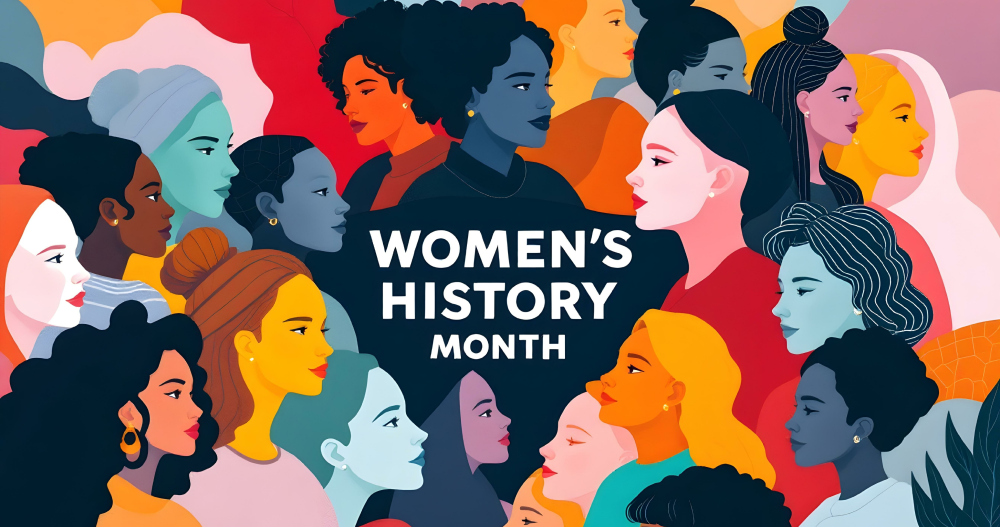
For Women’s History Month we’re taking a look at the invaluable contributions of a few of the women who have impacted the field of healthcare and helped shape our society.


From trailblazing doctors and nurses to grassroots activists advocating for equitable healthcare, women have played a pivotal role in advancing medical access, public health, and patient rights.


For community health centers, this month is an opportunity to honor history and acknowledge the ongoing efforts of women fighting to ensure healthcare is a right, not a privilege. In particular, Black, Latina, and Asian American women have been instrumental in breaking barriers, advocating for marginalized communities, and changing the face of medicine.

Women Who Changed Medicine: Pioneers in Healthcare

The women featured below are just a few of the many trailblazers who have influenced medicine and community health. Their work has opened doors for future generations, but their contributions are part of a much larger story. To learn more about women who have made history in healthcare, visit the National Library of Medicine’s exhibition on women physicians or explore the Changing the Face of Medicine archive.

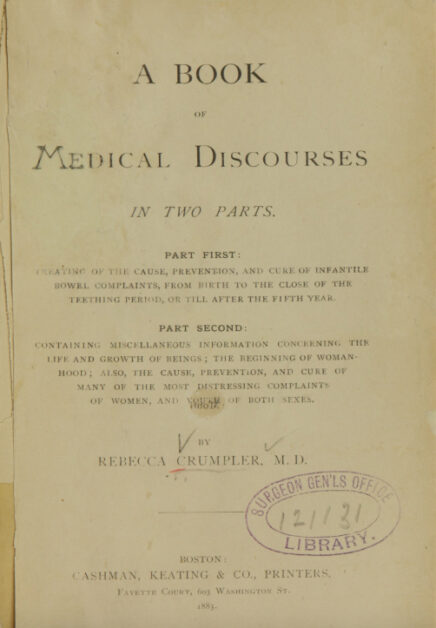
Rebecca Lee Crumpler (1831–1895)

Courtesy of National Library of Medicine, National Institutes of Health

Dr. Rebecca Lee Crumpler made history as the first Black woman in the United States to earn a medical degree, graduating from the New England Female Medical College in 1864. At a time when Black Americans faced severe discrimination in healthcare, Dr. Crumpler dedicated her career to treating formerly enslaved people after the Civil War. She also authored A Book of Medical Discourses, one of the first medical texts written by a Black doctor, offering guidance on maternal and child health.

Her work laid the foundation for Black women in medicine, proving that healthcare must be inclusive and accessible for all.

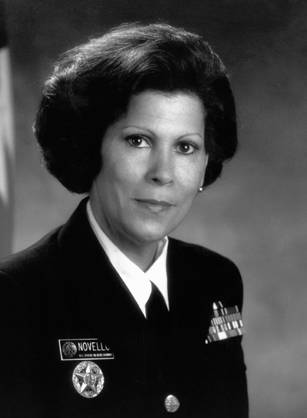
Antonia Novello (b. 1944)

Courtesy of National Library of Medicine, National Institutes of Health

Dr. Antonia Novello broke ground in 1990 as the first woman and first Latina U.S. Surgeon General. Born in Puerto Rico, she overcame childhood health struggles and went on to specialize in pediatric nephrology. During her tenure as Surgeon General, she focused on issues impacting children’s health, AIDS awareness, and reducing tobacco use among young people.


She was a fierce advocate for minority health, pushing for policies that addressed disparities among Hispanic and Black communities. Her legacy continues as a reminder of the importance of public health initiatives that prioritize historically underserved

Dr. Margaret Chung (1889–1959)

Photo is Public Domain

Dr. Margaret Chung made history as the first known Chinese American woman to become a physician. Born in California to Chinese immigrant parents, she earned her medical degree from the University of Southern California in 1916. Facing discrimination in hospitals, she established her own medical practice in San Francisco’s Chinatown.

She became well known for her dedication to treating low-income and immigrant patients, many of whom lacked access to medical care. During World War II, she also played a significant role in recruiting and supporting Chinese American military personnel.

Women Activists in Community Health

While doctors and surgeons often receive recognition, the work of community health activists is just as vital. Many women have fought tirelessly for healthcare access, policy changes, and social justice.

Dr. Helen Rodriguez-Trías (1929–2001)

Courtesy National Library of Medicine
Dr. Helen Rodriguez-Trías was a physician, educator, and activist who dedicated her life to improving healthcare for marginalized communities, particularly Puerto Rican and Latina women. She was the first Latina president of the American Public Health Association and played a key role in advocating for reproductive rights and healthcare access. She was instrumental in exposing the forced sterilization of Puerto Rican women in the mid-20th century and fought for policies that ensured informed consent in medical procedures. Her work continues to influence public health initiatives focused on women’s rights and health equity.

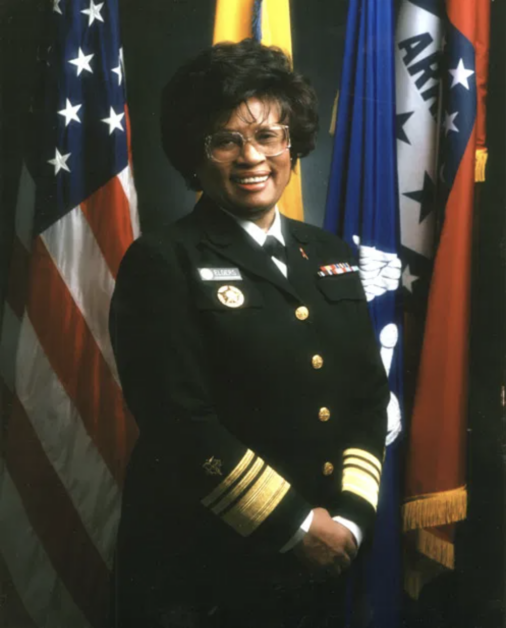
Dr. Joycelyn Elders (b. 1933)

Courtesy of Dr. Joycelyn Elders via The Encyclopedia of Arkansas

Dr. Joycelyn Elders, the first Black woman to serve as U.S. Surgeon General, was a strong advocate for sex education, reproductive health, and harm reduction strategies for substance use. She worked extensively in community health, pushing for expanded healthcare access in underserved communities.

Her outspokenness on controversial issues like contraception, HIV/AIDS prevention, and drug policy reform made her a trailblazer in public health advocacy. Despite facing political pushback, she remains a respected figure in the fight for comprehensive healthcare.

Haunani-Kay Trask (1949–2021)

Photo credit: Brett Uprichard, courtesy of University of Hawaiʻi News

Though known primarily as an Indigenous rights activist, Haunani-Kay Trask was deeply involved in public health efforts that centered the needs of Native Hawaiian communities. She spoke out against healthcare inequities faced by Indigenous people and fought for culturally competent care.

Her activism was instrumental in pushing for policies that recognized the unique health challenges of Indigenous populations, including chronic diseases, mental health concerns, and the need for holistic approaches to healthcare.

The Role of Women in Today’s Community Health Movement

Women continue to lead in public health, shaping policies and programs that address disparities in medical care. From local clinics to national advocacy organizations, their work ensures that women and families in underserved communities receive the care they need.

Maternal and Reproductive Health Advocacy

Organizations like SisterSong and Black Mamas Matter Alliance are led by Black women fighting to address the maternal mortality crisis in the U.S. Black women are disproportionately affected by pregnancy-related complications due to systemic biases in healthcare. Women activists are pushing for changes in hospital protocols, expanded access to midwifery care, and policies that prioritize reproductive justice.

Mental Health and Wellness

Latina and Asian American women are also advocating for culturally competent mental health care, addressing the stigma around seeking help in many communities. Groups like Latinx Therapy and Asian Mental Health Collective provide resources to ensure women can access mental health professionals who understand their unique cultural backgrounds.

Continuing the Fight for Equity in Healthcare

As we honor Women’s History Month, it is crucial to recognize that the work of these pioneering women is far from over. Healthcare disparities persist, particularly for women of color, LGBTQ+ individuals, and those in low-income communities.

How Can We Support Women in Community Health?

  • Advocate for Policies That Expand Healthcare Access: Support legislation that ensures reproductive rights, maternal healthcare, and mental health services for all.
  • Recognize and Support Women-Led Health Organizations: Many grassroots organizations rely on community support to continue their work. Donating, volunteering, or spreading awareness can help sustain their efforts.
  • Encourage the Next Generation of Women in Medicine: Mentorship and education programs can help young girls see a future for themselves in healthcare, whether as doctors, nurses, researchers, or public health advocates.

Women have been and continue to be the backbone of community health. Their work—whether as physicians, midwives, activists, or policymakers—has shaped healthcare systems and improved countless lives.

This Women’s History Month, we celebrate the legacy of women in medicine and public health, while also committing to supporting the next generation of leaders who will continue the fight for equity and justice in healthcare.

About MCHWC

Marin City Health and Wellness is a community health clinic serving Marin and San Francisco Counties, providing innovative health and wellness services to all, with the goal of African American health equity.

Make your appointment today by calling (415) 339-8813.

Filed under: Marin City ClinicTagged with: , , , , , , ,