


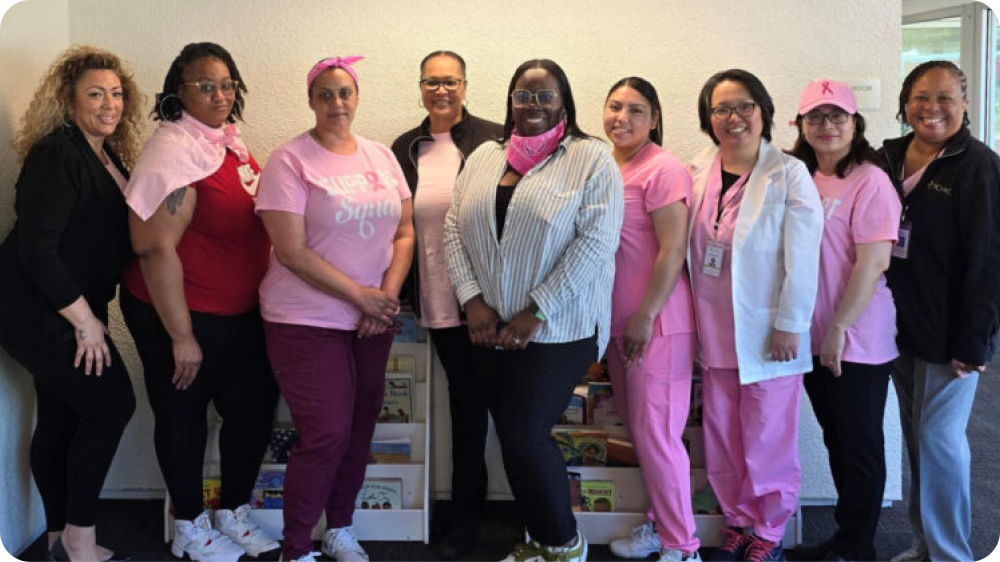
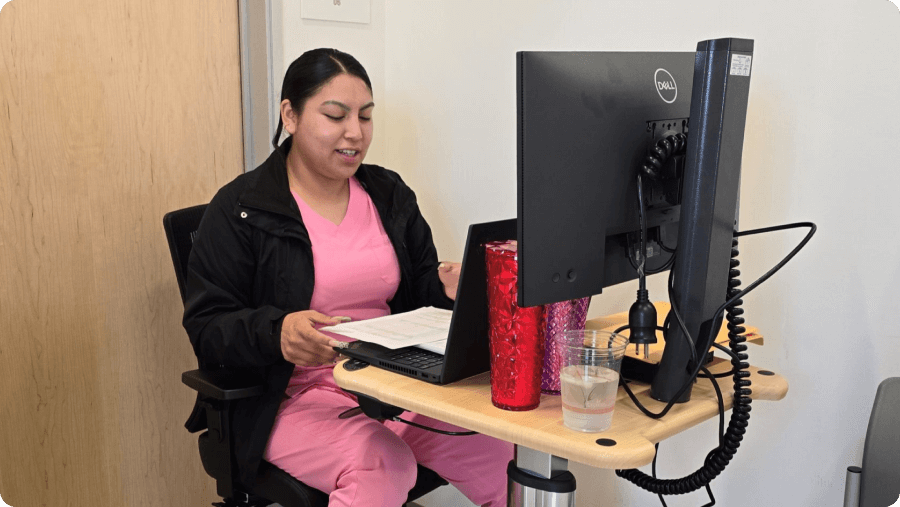
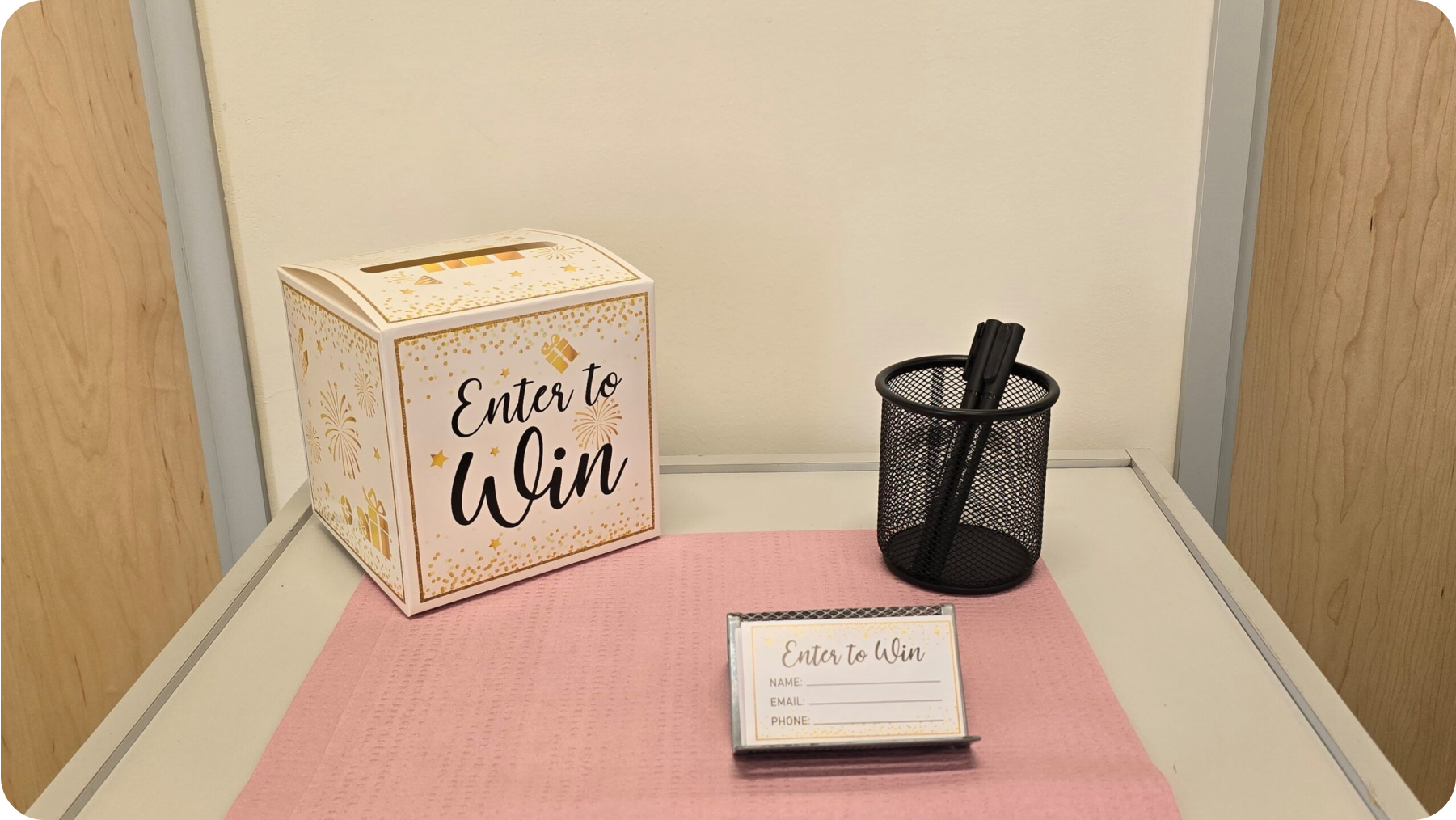
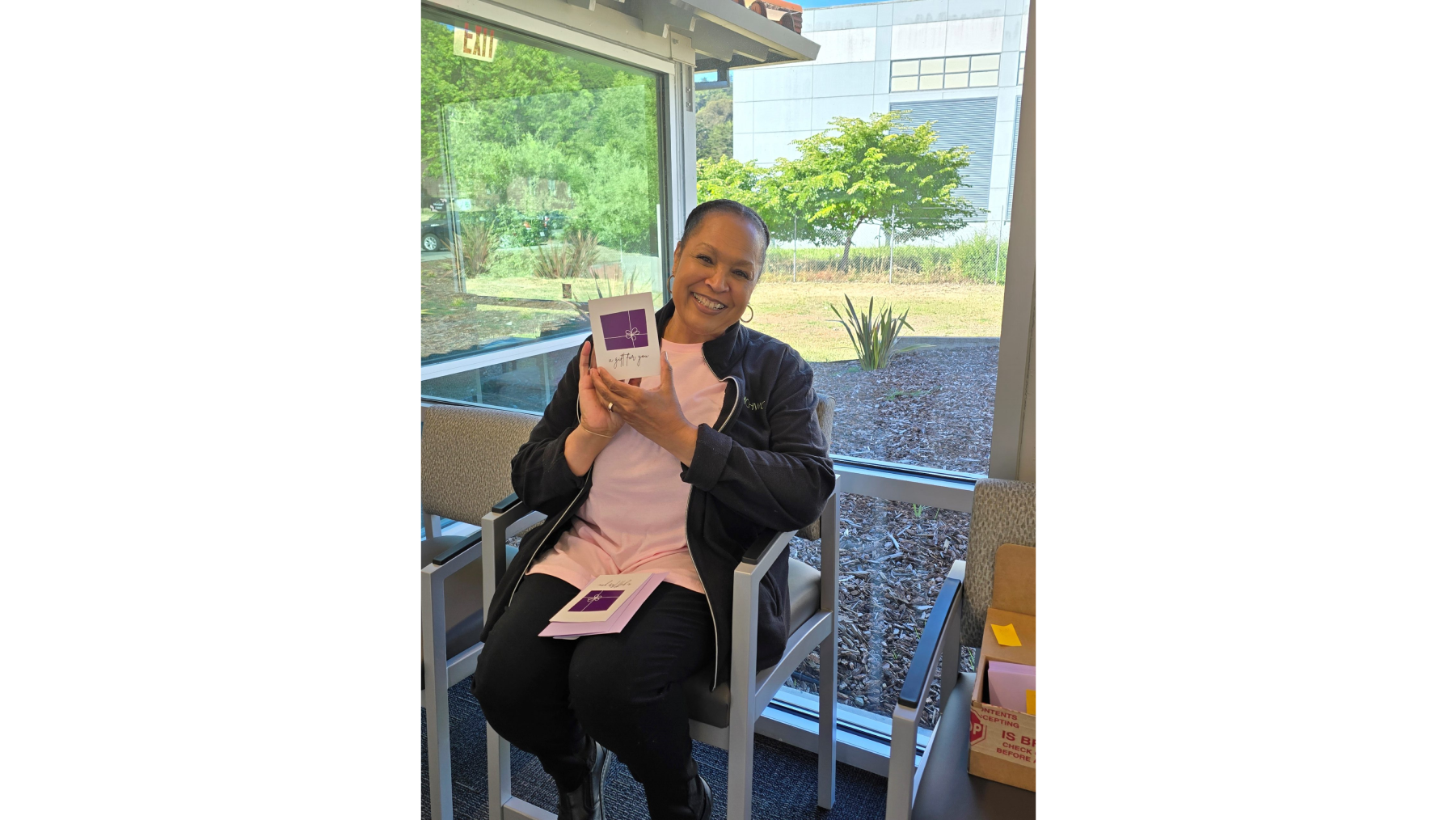
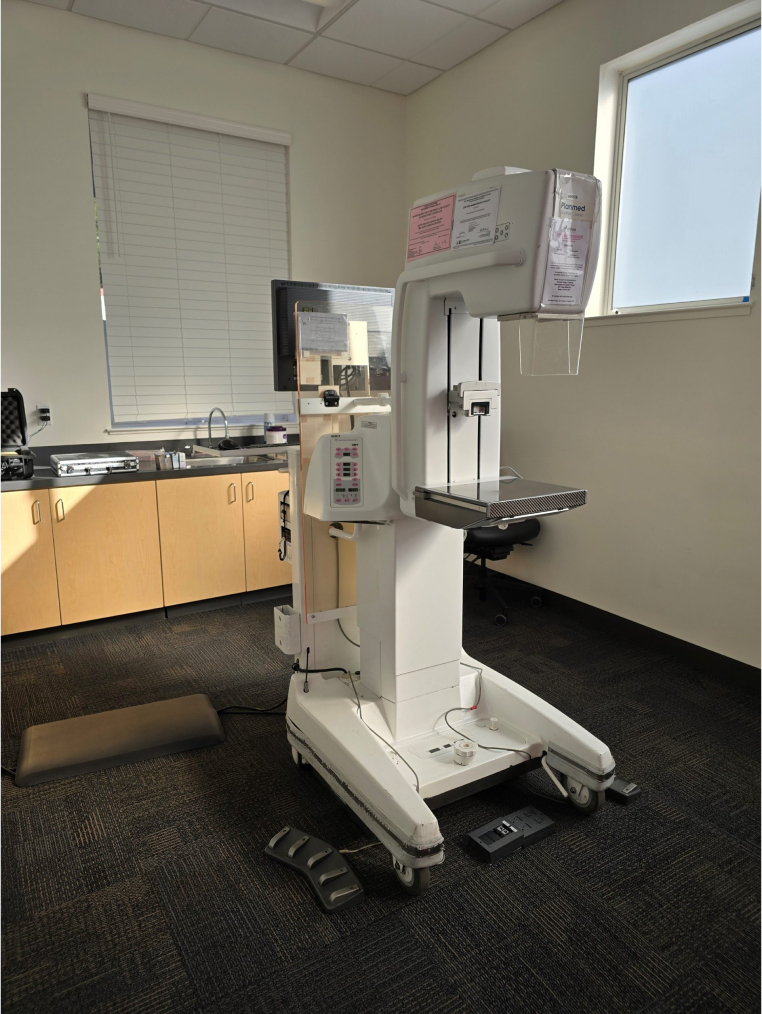
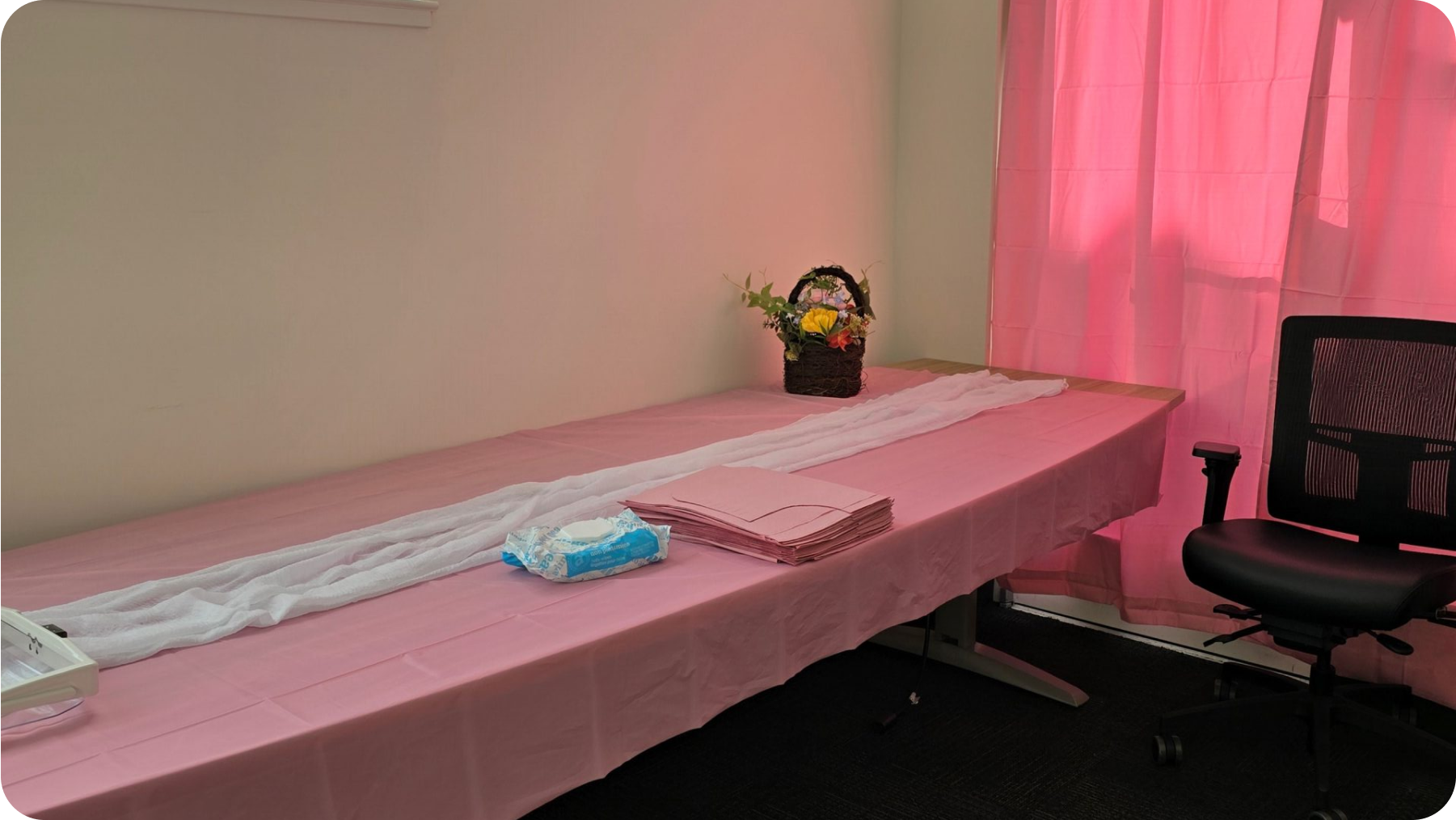
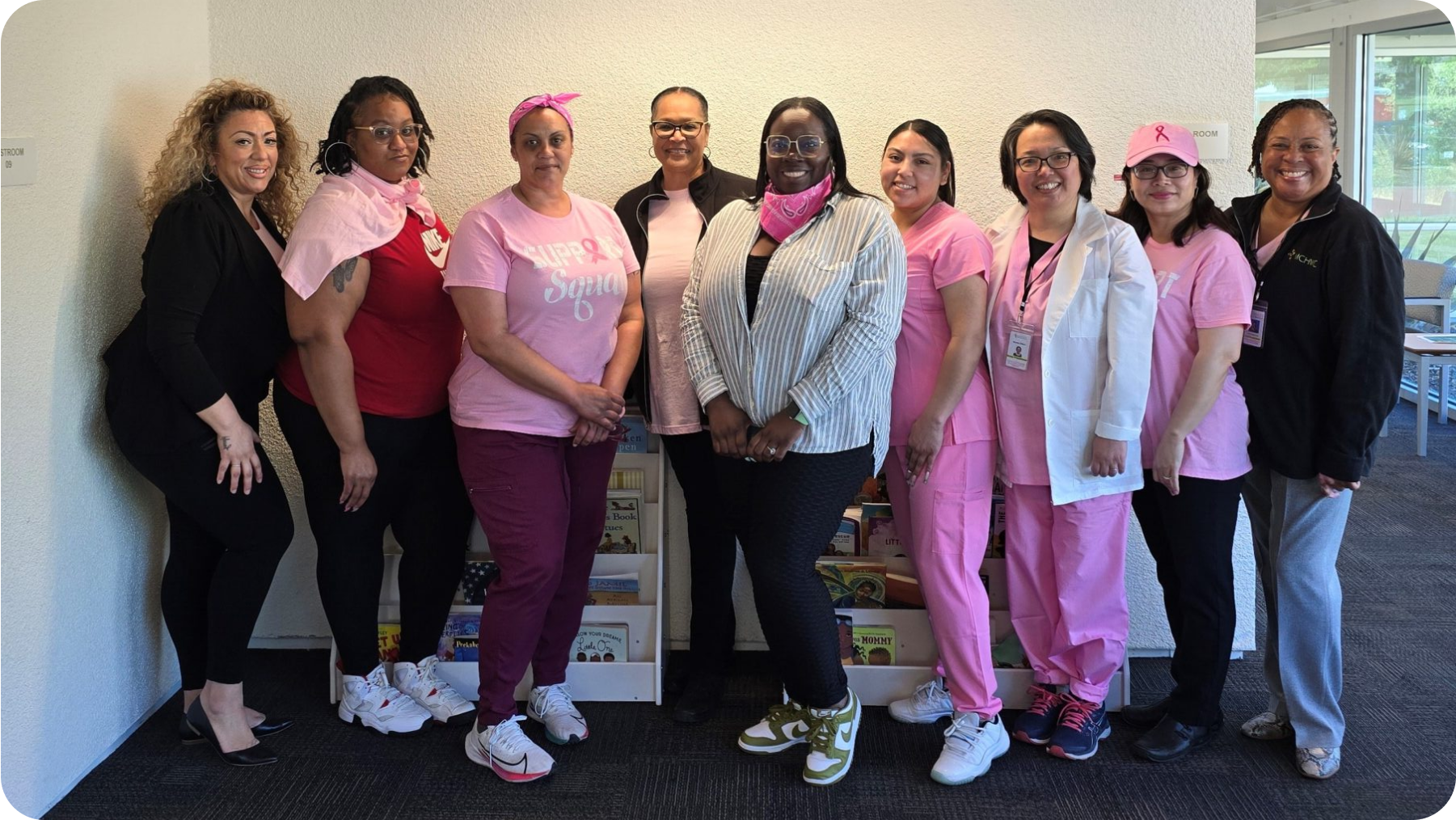
Here are some highlights of our mobile screening mammogram event that took place at our Drake Avenue clinic in Marin City on June 4. It was a great turn out, with fun and prizes, and we hope to do it again soon! A special thank-you to everyone who helped organize and carry out the event.
To those who were able to make it out for a screening, we appreciate you prioritizing your well-being! For those who were unable to attend and are interested in getting a mammogram, call us at 415-339-8813 to make an appointment.
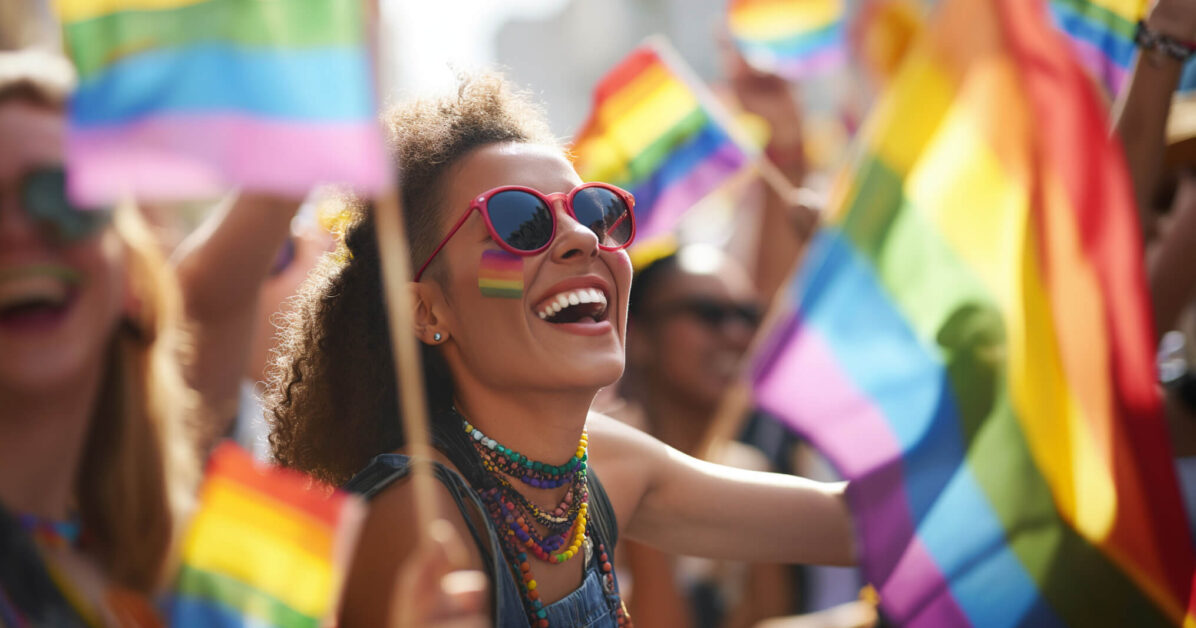
June marks Pride Month, a time to celebrate the diversity of the LGBTQ+ community and honor the ongoing struggle for equality and acceptance. While strides have been made in securing rights and visibility, there is one area that is still in need of critical attention: equitable access to healthcare for underserved LGBTQ+ populations, including those among the Black, Hispanic and AAPI communities.
Healthcare disparities are particularly pronounced among LGBTQ+ individuals, who often face unique challenges due to stigma, discrimination, and a lack of culturally competent care. These barriers can lead to negative health outcomes, including higher rates of mental health issues, substance abuse, and chronic diseases. In addition, a study conducted in 2021 revealed that Black LGBTQ+ adults experience more significant disparities compared to their Black peers who do not identify as LGBTQ+.
Community-based healthcare clinics can play a vital role in bridging the gap between underserved LGBTQ+ individuals and the healthcare system. MCHWC, for example, ensures a safe space for everyone in the community. Supporting and funding these clinics is crucial in the fight for healthcare equity.
As we celebrate Pride Month, let us reaffirm our commitment to ensuring that every individual, regardless of their sexual orientation or gender identity, has access to the healthcare they deserve.

May is a plethora of recognition campaigns: Mental Health Awareness Month; Asian American, Native Hawaiian, and Pacific Islander Heritage Month; Children’s Mental Health Awareness Day (May 9); and National Prevention Week (May 12-18).
Our focus in this article is on Mental Health Awareness Month: its history, the stigma of mental health in marginalized communities, what Marin City Health and Wellness Center is doing to break taboos, and what individuals can do to help themselves and others—not just in May, but at any time throughout the year.
Clifford W. Beers, a sufferer of depression and anxiety, became the father of what was initially known as the mental hygiene movement. His own harrowing experiences in public and private institutions led to his autobiography in 1908, and the birth of mental health reform in the United States. Mental Health America (MHA) grew out of that movement and, in 1949, they launched Mental Health Awareness Week, which later evolved into a month-long campaign.
MHA, a community-based nonprofit with an advocacy network and career center, has made it its mission to improve mental health in America, to spread awareness about mental illness and wellness, to encourage people to seek help as needed, and to celebrate those in recovery or who have recovered. Like Marin City Health and Wellness Center, MHA supports whole person care and mental health equity.
According to the National Institute of Mental Health, nearly one in five U.S. adults live with a mental illness. In 2020, 52% of white people in need received mental health services compared to 37.1% of African Americans.
Access to mental health services can be challenging for underserved communities, be it a lack of or limited insurance, limited and/or affordable resources, not to mention, for some, there are transportation hurdles. However, even when access, cost, and transportation are not the issues, the prevailing attitudes in Black culture around mental health—and mistrust in the medical and mental health establishment—are the biggest barriers.
Generations of racism, discrimination, and trauma began with the dehumanization of African Americans as chattel slaves. Because Black people were thought of as non-human, it was believed they didn’t suffer from mental illness. This belief can become internalized from one generation to the next. Even in today’s world, economic violence, police brutality, and common microaggressions are big psychological stressors and lead to higher rates of PTSD among Black people compared to their white counterparts.
Likewise, as religion and community were coping mechanisms to the brutalities, cruelties, and indignities of enslavement, the idea that one could “pray away” his troubles became part of the culture that exists today.
After slavery, the Reconstruction era followed by segregation laws extended injustices of African Americans and deepened their mistrust of systems in the U.S. As a result, the stigma that anyone in need of mental health services was “crazy,” or that it was a sign of weakness, prevailed.
Today, with nearly half of Black Millennials and Gen-Zers rarely or never attending church, religious coping is less of a go-to. However, even among young African Americans, the belief that depression is a sign of weakness and resistance to being psychologically open are still strong. Pop culture is helping change perception, with shows like HBO’s Insecure, having storylines around self-help, depression, and bipolar disorder, yet there is still much to do for those taboos about mental health to be torn down.
According to a 2022 report by the U.S. Census Bureau, 13.9% (46.2 million) of the country’s population is foreign born, with 23% of those residents born in Mexico (followed India [6%], China [5%], the Philippines [5%], El Salvador [3%], and Vietnam [3%]).
While essentially 37% of Black people with mental illness sought treatment in 2020, the percentage is even lower, at 35%. among Hispanics. Like the African American community, this low number is both a cultural barrier as well as an issue of access.
When it comes to refugees and immigrants coming to the U.S. from either War-torn countries or where there is a great deal of political violence and conflict–coupled with the trauma of the migration journey itself and the stressors of resettlement and integrating into American life–immigrants have PTSD and other mental health issues that are unique.
Barriers to mental health abound among the displaced. According to the U.S. Committee for Refugees and Immigrants, “These barriers include limited availability of service providers, cultural and language barriers, lack of language support, cost of care, lack of health insurance or covered services, lack of access to transportation, encounters with discrimination, mistrust of service systems, and mental health stigma.” Except for matters surrounding same-language support, the barriers for immigrants mirror those for many African Americans.
Like African Americans, many immigrants come from cultures that see obtaining mental health services as a sign of weakness, or something reserved for “crazy people.” This makes it harder for their kids to get the treatment they need and the cycle perpetuates from one generation to the next.
A few additional statistics:
The White House issued its 2024 Proclamation on National Health Awareness Month, outlining the steps the administration is taking to increase access to and narrow the disparity gap of mental health in America, which includes having mental health care on the same level as medical care.
In addition:
Our behavioral health department provides a full range of mental health services, from individual to couples counseling, family therapy, child play-therapy, process, support and skill building, groups for parents, youth and community circles, as well as medication management and psychiatric services.
As Dr. Julie Morris, Director of Behavioral Health at MCHWC, says, “Both the mind and body are interconnected and offering therapy allows us to provide holistic support that facilitates overall wellness.”
We provide therapeutic support with various issues, including depression/mood disorders, anxiety, trauma, behavioral goals (e.g., smoking cessation, weight loss), coping with medical problems, grief, substance use, developmental disorders (e.g., autism, ADHD, learning disorders), and social/interpersonal issues.
“You don’t wait until your check engine light is on or your car breaks down to do an oil change,” says Dr. Morris. “Similarly, your mind and body need regular maintenance to keep you running and coping with all the stressors life throws at you.”
MCHWC provides a space to learn coping skills, express feelings, and process difficult experiences. “By addressing everyday concerns before reaching your limit, we help keep your engine running and stay connected with the things that are important to you,” says Dr. Morris.
Kayla Jones, Marin City Health and Wellness Center’s Director of Casework Management, is currently working on a case with a Marin woman who is severely agoraphobic.
Agoraphobia is an anxiety disorder where people fear going outside or leaving their room or home and where doing so results in panic and a sense of entrapment and/or embarrassment.
Jones’s patient has not been to see a doctor or a dentist for over 3 years, and was not willing to come into any of the clinics (initially, she was barely willing to speak over the phone with the caseworkers). So, the MCHWC caseworker team did Zoom calls with her, as well as an at-home physical check-up and minor dental work.
The patient still refuses to visit any of the clinics, but has at least gotten medical and dental care, and has a team she can reach out to. It may be years before she can and will leave her home, but receiving long-overdue care is still progress.
As we wrap up National Mental Health Awareness Month here are a few suggestions on how we can keep the spotlight on these important matters year-round:
People who are struggling with mental health, from mild depression to suicidal ideation, don’t always show it.
The National Alliance on Mental Illness provides a Friends & Family Seminars to learn hope to best support a loved one with a mental health condition. If you know of a friend or family member being treated at one of our clinics and you’re looking for ways to be supportive, call MCHWC at (415) 339-8813.
Donate to a local clinic that offers mental health services to underserved communities.
You can follow Mental Health America on X (formerly Twitter) or Facebook as well as share this blog post and what MCHWC offers the community.



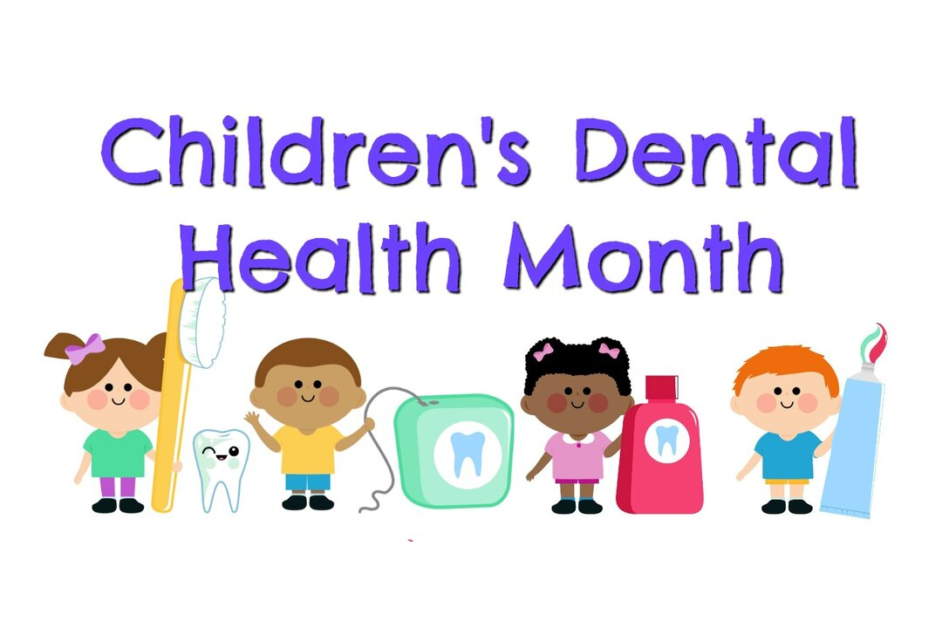
Developing good habits at an early age and scheduling regular dental visits helps children to get a good start on a lifetime of healthy teeth and gums.
Did you know that 42% of children from the age 2 to 11 have had dental caries or cavities in their primary or baby teeth?
AND … did you know that tooth decay is the most common chronic childhood disease? That’s why promoting childrens dental health to families is important to the Marin City Health and Wellness Dental Team. Developing good dental health habits at an early age, including scheduling regular dental visits, helps children get a good start on a lifetime of healthy teeth and gums.
They can avoid many of the problems that result from poor oral health, including gum disease and tooth decay.
Here’s how to keep cavities away:
Things You Can Do to Help Your Child:
Make a dental appointment today…. we look forward to seeing you!

Mental Health Awareness Month is a national movement that aims to raise awareness and provide support to individuals living with mental illness. During this time, community members promote mental health as a crucial component of overall wellness and advocate for integrated care, funding for mental health services, and the implementation of policies that further protect and support individuals living with mental illnesses and disorders.
This year, the National Alliance on Mental Illness declared “Together for Mental Health” as the theme for 2022’s Mental Health Awareness Month. With the number of Americans living with mental illnesses increasing, this year’s theme encourages the public to stand together to advocate for mental health and improved access to mental health services.
Mental illnesses are among some of the most common health conditions in the United States and can affect people of all ages. According to the CDC, one in four people experience mental illness, with more than 50% of the entire population being diagnosed with a mental illness or disorder in their lifetime. Unfortunately, many of these individuals do not receive the necessary medical support to help manage symptoms because of underfunding or personally deciding not to seek any medical assistance due to the stigma associated with mental illness. Therefore, it is important to bring the issue of mental health into the public view to raise awareness, dismantle the stigma, and advocate for an improved mental health care system.
In Marin County, 26% of adults in Marin report needing help with mental, emotional, or substance abuse problems. 29% of Latinx, 19% of Asian, and Black/African-American seventh graders reported feeling chronic sadness or hopelessness feelings in the past 12 months.* Marin City Clinic offers a number of programs to help address these statistics including: Individual and family therapy, child/adolescent psychiatry, depression, anxiety, trauma, grief, substance use disorders, and more.
As a community, let’s bring our voices together to raise awareness and advocate for mental health services during National Mental Awareness Month. May those who struggle with mental illnesses be reminded of the support and resources available as we stand together with the rest of the nation throughout this month.
(*2019 Healthy Marin County)