
Nourishing Our Communities: The Power of Healthy Eating

Good nutrition is the foundation of health, yet access to fresh, affordable food remains a challenge for many. At Marin City Health and Wellness Center, we believe everyone deserves the knowledge and resources to make informed food choices. This National Nutrition Month, we’re focusing on how small, sustainable changes can have a lasting impact—on individuals, families, and entire communities.

Why Nutrition Matters More Than Ever

The foods we eat affect everything from our energy levels to our risk for chronic disease. Research shows that a diet rich in whole, unprocessed foods can:


✔ Lower the risk of heart disease, diabetes, and high blood pressure
✔ Improve digestion and gut health
✔ Support mental well-being and cognitive function
✔ Boost immunity and help the body fight illness


Yet, eating well isn’t always easy. Many families face food insecurity, live in areas without access to fresh produce, or struggle with the rising cost of groceries. That’s why community-based health initiatives are critical in making healthy eating more accessible for all.

Rethinking What’s on Your Plate

Healthy eating isn’t about following the latest diet trends or cutting out entire food groups—it’s about balance. The MyPlate method, developed by the USDA, is a simple way to build a nutritious meal:

  • Half your plate should be fruits and vegetables. The more variety, the better.
  • One-quarter of your plate should be whole grains like brown rice, quinoa, or whole wheat pasta.
  • One-quarter of your plate should be lean protein sources such as beans, tofu, fish, poultry, or nuts.

Drinking water instead of sugary beverages and choosing healthy fats (like those found in olive oil, avocados, and nuts) can also make a big difference in overall health.

Navigating Healthy Eating on a Budget

Eating well doesn’t have to be expensive. With a little planning, you can make nutritious meals that fit your budget. Here’s how:


  1. Plan Meals Ahead of Time
    Write down meals for the week and make a shopping list based on what you need. This reduces impulse purchases and food waste.


  1. Buy in Bulk
    Staples like beans, rice, oats, and frozen vegetables often cost less per serving when bought in larger quantities.


  1. Shop Seasonally
    Fruits and vegetables that are in season tend to be fresher, more flavorful, and more affordable. Farmers’ markets and community-supported agriculture (CSA) programs can be great resources, and the element of surprise can make it fun for kids. Guessing what’s inside the so-called “mystery box” and learning about new foods can be an adventure. Go in on a CSA subscription with another family to share produce and save on cost.) 


  1. Cook at Home
    Preparing meals from scratch is often healthier and cheaper than buying pre-packaged foods or eating out. Batch cooking can help save time throughout the week.

More on CSAs

Many CSAs require a lump-sum payment for the season, which can be a financial burden for families with limited resources. Accessibility can also be a challenge, as some CSAs require produce pickup at farms or farmers’ markets, which may not be convenient for those without reliable transportation. Additionally, traditional CSAs provide a set selection of produce, which may not always align with a family’s dietary preferences or cultural food traditions.


Some CSAs participate in programs that allow customers to use Supplemental Nutrition Assistance Program (SNAP) benefits, often with discounts or matching funds, making fresh produce more accessible to low-income families. Others offer sliding scale pricing, where the cost of a CSA share is adjusted based on income, helping to reduce financial barriers. Community organizations and food justice programs sometimes provide subsidized CSA shares through nonprofit or grant funding, ensuring that more families can participate. For those who can’t afford a full-season payment upfront, pay-as-you-go options allow for weekly or bi-weekly payments. Additionally, some CSAs offer home delivery services, making fresh produce more accessible for families living in food deserts or without reliable transportation.

Alternative affordable options to CSA programs

  • Farmers’ Market Programs – Many markets accept EBT and offer Market Match programs that double SNAP dollars.
  • Food Co-ops & Produce Boxes – Some local food co-ops provide lower-cost produce shares or discounts for members.
  • Urban Farming & Community GardensNeighborhood gardens allow families to grow their own food affordably.

The Role of Culture in Nutrition

As we discussed in last month’s blog, food is more than just fuel—it’s a connection to heritage, family traditions, and community. Many cultural diets, such as the Mediterranean diet, traditional Latin American cuisine, and plant-based African heritage diets, emphasize whole foods, fresh produce, and lean proteins. These time-tested ways of eating offer a roadmap to both nutrition and cultural preservation.


At MCHWC, we encourage families to embrace their food traditions while making small adjustments to improve overall health. Simple swaps, like using brown rice instead of white rice or baking instead of frying, can make traditional meals healthier without losing their cultural essence.

Community Resources for Healthier Eating

At MCHWC, we’re committed to providing resources that help our community make informed food choices. We can offer diabetes and heart health education and can guide you to the following:


  • Nutritional counseling for individuals and families
  • Cooking demonstrations featuring easy, budget-friendly meals
  • Access to fresh produce through local partnerships
  • NEW: Every other Saturday we hold a special health education hour from 10–11 a.m., where an RN in our Marin City clinic can answer any questions. Appointment required: call (415) 339-8813


Healthy eating is a journey, and every small step matters. Whether it’s swapping out sugary drinks for water, adding more vegetables to your meals, or trying a new whole grain, these changes add up over time.

About MCHWC

Marin City Health and Wellness is a community health clinic serving Marin and San Francisco Counties, providing innovative health and wellness services to all, with the goal of African American health equity.


Make your appointment today by calling (415) 339-8813.
Filed under: Marin City ClinicTagged with: , , , , , , , ,

Celebrating Soul Food: Tradition with a Twist

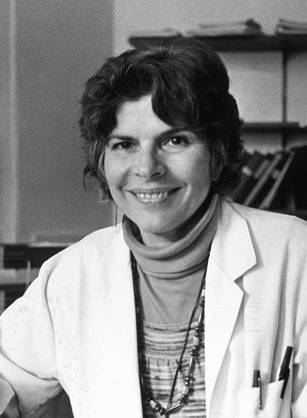
For Women’s History Month we’re taking a look at the invaluable contributions of a few of the women who have impacted the field of healthcare and helped shape our society.


From trailblazing doctors and nurses to grassroots activists advocating for equitable healthcare, women have played a pivotal role in advancing medical access, public health, and patient rights.


For community health centers, this month is an opportunity to honor history and acknowledge the ongoing efforts of women fighting to ensure healthcare is a right, not a privilege. In particular, Black, Latina, and Asian American women have been instrumental in breaking barriers, advocating for marginalized communities, and changing the face of medicine.

Women Who Changed Medicine: Pioneers in Healthcare

The women featured below are just a few of the many trailblazers who have influenced medicine and community health. Their work has opened doors for future generations, but their contributions are part of a much larger story. To learn more about women who have made history in healthcare, visit the National Library of Medicine’s exhibition on women physicians or explore the Changing the Face of Medicine archive.

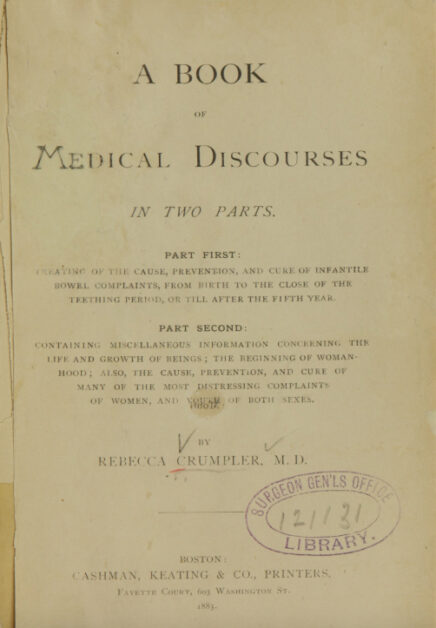
Rebecca Lee Crumpler (1831–1895)

Courtesy of National Library of Medicine, National Institutes of Health

Dr. Rebecca Lee Crumpler made history as the first Black woman in the United States to earn a medical degree, graduating from the New England Female Medical College in 1864. At a time when Black Americans faced severe discrimination in healthcare, Dr. Crumpler dedicated her career to treating formerly enslaved people after the Civil War. She also authored A Book of Medical Discourses, one of the first medical texts written by a Black doctor, offering guidance on maternal and child health.

Her work laid the foundation for Black women in medicine, proving that healthcare must be inclusive and accessible for all.

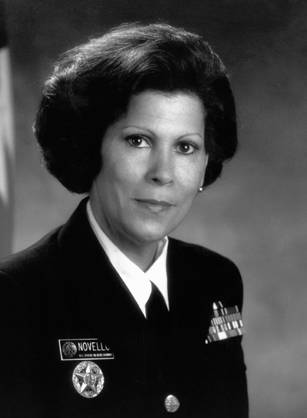
Antonia Novello (b. 1944)

Courtesy of National Library of Medicine, National Institutes of Health

Dr. Antonia Novello broke ground in 1990 as the first woman and first Latina U.S. Surgeon General. Born in Puerto Rico, she overcame childhood health struggles and went on to specialize in pediatric nephrology. During her tenure as Surgeon General, she focused on issues impacting children’s health, AIDS awareness, and reducing tobacco use among young people.


She was a fierce advocate for minority health, pushing for policies that addressed disparities among Hispanic and Black communities. Her legacy continues as a reminder of the importance of public health initiatives that prioritize historically underserved

Dr. Margaret Chung (1889–1959)

Photo is Public Domain

Dr. Margaret Chung made history as the first known Chinese American woman to become a physician. Born in California to Chinese immigrant parents, she earned her medical degree from the University of Southern California in 1916. Facing discrimination in hospitals, she established her own medical practice in San Francisco’s Chinatown.

She became well known for her dedication to treating low-income and immigrant patients, many of whom lacked access to medical care. During World War II, she also played a significant role in recruiting and supporting Chinese American military personnel.

Women Activists in Community Health

While doctors and surgeons often receive recognition, the work of community health activists is just as vital. Many women have fought tirelessly for healthcare access, policy changes, and social justice.

Dr. Helen Rodriguez-Trías (1929–2001)

Courtesy National Library of Medicine
Dr. Helen Rodriguez-Trías was a physician, educator, and activist who dedicated her life to improving healthcare for marginalized communities, particularly Puerto Rican and Latina women. She was the first Latina president of the American Public Health Association and played a key role in advocating for reproductive rights and healthcare access. She was instrumental in exposing the forced sterilization of Puerto Rican women in the mid-20th century and fought for policies that ensured informed consent in medical procedures. Her work continues to influence public health initiatives focused on women’s rights and health equity.

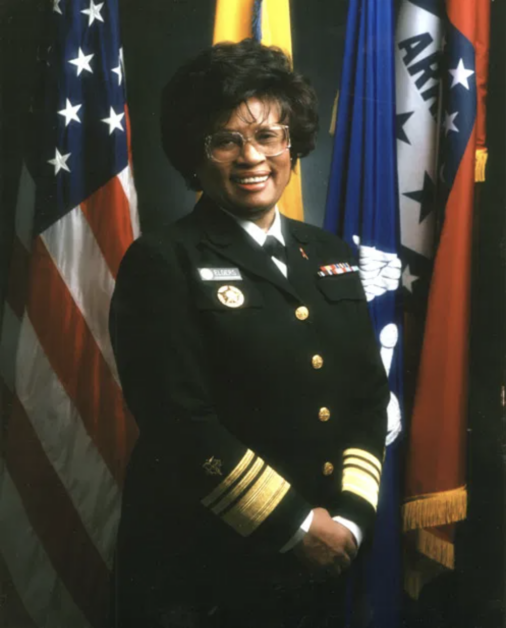
Dr. Joycelyn Elders (b. 1933)

Courtesy of Dr. Joycelyn Elders via The Encyclopedia of Arkansas

Dr. Joycelyn Elders, the first Black woman to serve as U.S. Surgeon General, was a strong advocate for sex education, reproductive health, and harm reduction strategies for substance use. She worked extensively in community health, pushing for expanded healthcare access in underserved communities.

Her outspokenness on controversial issues like contraception, HIV/AIDS prevention, and drug policy reform made her a trailblazer in public health advocacy. Despite facing political pushback, she remains a respected figure in the fight for comprehensive healthcare.

Haunani-Kay Trask (1949–2021)

Photo credit: Brett Uprichard, courtesy of University of Hawaiʻi News

Though known primarily as an Indigenous rights activist, Haunani-Kay Trask was deeply involved in public health efforts that centered the needs of Native Hawaiian communities. She spoke out against healthcare inequities faced by Indigenous people and fought for culturally competent care.

Her activism was instrumental in pushing for policies that recognized the unique health challenges of Indigenous populations, including chronic diseases, mental health concerns, and the need for holistic approaches to healthcare.

The Role of Women in Today’s Community Health Movement

Women continue to lead in public health, shaping policies and programs that address disparities in medical care. From local clinics to national advocacy organizations, their work ensures that women and families in underserved communities receive the care they need.

Maternal and Reproductive Health Advocacy

Organizations like SisterSong and Black Mamas Matter Alliance are led by Black women fighting to address the maternal mortality crisis in the U.S. Black women are disproportionately affected by pregnancy-related complications due to systemic biases in healthcare. Women activists are pushing for changes in hospital protocols, expanded access to midwifery care, and policies that prioritize reproductive justice.

Mental Health and Wellness

Latina and Asian American women are also advocating for culturally competent mental health care, addressing the stigma around seeking help in many communities. Groups like Latinx Therapy and Asian Mental Health Collective provide resources to ensure women can access mental health professionals who understand their unique cultural backgrounds.

Continuing the Fight for Equity in Healthcare

As we honor Women’s History Month, it is crucial to recognize that the work of these pioneering women is far from over. Healthcare disparities persist, particularly for women of color, LGBTQ+ individuals, and those in low-income communities.

How Can We Support Women in Community Health?

  • Advocate for Policies That Expand Healthcare Access: Support legislation that ensures reproductive rights, maternal healthcare, and mental health services for all.
  • Recognize and Support Women-Led Health Organizations: Many grassroots organizations rely on community support to continue their work. Donating, volunteering, or spreading awareness can help sustain their efforts.
  • Encourage the Next Generation of Women in Medicine: Mentorship and education programs can help young girls see a future for themselves in healthcare, whether as doctors, nurses, researchers, or public health advocates.

Women have been and continue to be the backbone of community health. Their work—whether as physicians, midwives, activists, or policymakers—has shaped healthcare systems and improved countless lives.

This Women’s History Month, we celebrate the legacy of women in medicine and public health, while also committing to supporting the next generation of leaders who will continue the fight for equity and justice in healthcare.

About MCHWC

Marin City Health and Wellness is a community health clinic serving Marin and San Francisco Counties, providing innovative health and wellness services to all, with the goal of African American health equity.

Make your appointment today by calling (415) 339-8813.
Filed under: Marin City ClinicTagged with: , , , , , , ,

Celebrating Soul Food: Tradition with a Twist

As Black History Month comes to a close, we take this time to celebrate the rich cultural heritage of African American cuisine, otherwise known as soul food. Through our food we tell the story of resilience, creativity, and community—deeply rooted in history and tradition. From the time of enslavement through Reconstruction, the Jim Crow era, and the Civil Rights Movement to family gatherings today, dishes like collard greens, cornbread, fried catfish, and gumbo have been a cornerstone of African American culture, nourishing generations. As we honor these traditions, we also ask: How can we continue to enjoy these beloved flavors while making healthier choices?

The Legacy of African American Cuisine

African American food culture has its roots in Africa, the Caribbean, and the American South. Many traditional dishes were born out of necessity, using what was available and making it flavorful. Smoked meats, slow-cooked greens, and one-pot meals tell a story of survival and ingenuity. These foods became symbols of family, celebration, and culture, passed down from one generation to the next.


But over time, shifts in food availability, economic barriers, and lifestyle changes have contributed to higher rates of conditions like heart disease, diabetes, and hypertension in Black communities.

This isn’t about abandoning tradition—it’s about adapting it in a way that prioritizes well-being.

Nourishing Spins on Classic Dishes

There’s no need to give up the foods that connect us to our roots, but there are ways to adjust recipes to support better health while keeping our taste buds tingling. Here are some simple twists on some favorites:

  • Collard Greens–Traditionallysimmeredwithhamhocks,collardgreenscanbemadehealthierbyusingsmokedturkey,which reduces saturated fat while maintaining depth of flavor. For a flavorful recipe, try this Southern Collard Greens with Smoked Turkey.
  • Fried Foods–Friedchicken,catfish,andokraarestaples,butairfryingoroven-bakingwithacrispy,seasonedcoatingcan provide the same crunch without excess oil. Using whole-grain flour or almond flour instead of white flour adds fiber and nutrients.
  • Mac and Cheese–Aclassiccomfortdish,butheavyonbutterandcheese.Tryusingamixoflow-fatcheese,pureedbutternut squash or cauliflower for creaminess, and whole-wheat pasta for added fiber.
  • Cornbread–Alittletweaktotraditionalcornbreadcanboostnutrition.Optforwhole-graincornmeal,cutbackonsugar,and swap some butter for heart-healthy olive oil or yogurt.
  • Sweetened Drinks–SweetteaandKool-Aidarenostalgicbutpackedwithsugar.Considerinfusingwaterwithfruit,switchingto herbal teas, or using honey and fresh lemon for a natural alternative.

Preserving Tradition While Prioritizing Health

Food is more than fuel—it’s culture, history, and identity. Honoring the flavors of African American cuisine doesn’t mean giving up what we love; it means making mindful choices that help us continue enjoying these traditions for generations to come. Small, simple changes can have a big impact on health without sacrificing taste or cultural significance.

About MCHWC

Marin City Health and Wellness is a community health clinic serving Marin and San Francisco Counties, providing innovative health and wellness services to all, with the goal of African American health equity.

Make your appointment today by calling (415) 339-8813.
Filed under: Marin City ClinicTagged with: , , , ,

Why Children’s Dental Health Matters More Than You Think

Every February, the American Dental Association (ADA) promotes National Children’s Dental Health Month to raise awareness about the importance of oral health for children. While dental care is essential for every child, access remains a challenge for many families, particularly those in underserved communities. Without regular checkups, preventive treatments, and early intervention, children face serious oral health risks that can impact their overall well-being.

The Risks of Poor Dental Care for Children

Tooth decay is the most common chronic disease among children in the U.S., yet it is almost entirely preventable. According to the CDC, “more than half of children aged 6 to 8 have had at least one cavity in their baby teeth,” and untreated cavities can lead to pain, infection, and difficulty eating and speaking. But the risks go beyond cavities.


  • Pain and missed school days: Dental pain can make it hard for children to concentrate, leading to missed school and lower academic performance.
  • Infections that spread: Untreated oral infections can travel to other parts of the body, leading to serious complications that may require hospitalization.
  • Speech and developmental issues: Losing teeth too early due to decay can affect how a child pronounces words, impacting confidence and communication skills.
  • Long-term health problems: Poor oral health has been linked to chronic diseases like heart disease and diabetes in adulthood.


Without regular checkups and preventive care, many of these problems escalate into costly, painful conditions that could have been avoided.

Why Some Families See Dental Care as a Luxury

For many low-income families, dental care is often seen as a luxury rather than a necessity. When parents must choose between paying rent, buying groceries, or taking a child to the dentist, dental visits are often postponed—sometimes indefinitely—unless there is an emergency. The high cost of dental care is a major factor. Even families with insurance may struggle with out-of-pocket expenses, and those without coverage face even greater barriers to care.

Beyond cost, access is another issue. Many rural communities lack dental providers who accept Medicaid or offer affordable care, making it difficult for families to schedule routine visits. Unlike medical emergencies, dental issues often worsen gradually, leading many to believe they can wait—until the pain becomes unbearable. Generational attitudes also play a role; parents who didn’t grow up with regular dental visits may not recognize their importance for their children. These barriers contribute to a cycle of neglect, where dental care is only sought in times of crisis rather than as an essential part of overall health.

The Disparities in Dental Care Access

Despite the proven benefits of regular dental visits, millions of children—especially those in low-income and rural areas—struggle to access care. Families in these communities face several barriers:

  • Financial Struggles: Many families lack dental insurance or can’t afford out-of-pocket costs.
  • Shortage of Providers: In some areas, there are not enough dentists who accept Medicaid or provide low-cost care.
  • Lack of Awareness: Some families may not know about affordable services or the importance of preventive care.
  • Transportation Issues: Families in rural areas may have to travel long distances for dental appointments.


These challenges result in higher rates of untreated cavities, infections, and long-term dental health problems. Without intervention, children in underserved communities are more likely to experience lifelong oral health complications that affect their well-being, education, and future economic opportunities.

How Community Health Centers Are Making a Difference

Community health centers play a vital role in providing affordable, accessible, and preventive dental care to families in need. These organizations ensure that cost and location do not become barriers to treatment by offering:

  • Low-cost or free services through sliding-scale fees and Medicaid coverage.
  • School-based dental programs that bring preventive care directly to children, including screenings, fluoride treatments, and sealants.
  • Mobile dental clinics that reach underserved areas, offering checkups, cleanings, and basic treatments.
  • Preventive education to teach families about proper oral hygiene, nutrition, and the importance of regular dental visits.
  • Establishing dental homes to provide children with a trusted provider for continuous care.


By expanding access to these services, community health centers are helping prevent dental problems before they start and ensuring that every child has the opportunity to grow up with a healthy smile.

Preventive Dental Care Saves Money in the Long Run

Investing in preventive dental care is not only good for a child’s health but also saves money over time. Regular checkups, cleanings, and fluoride treatments cost far less than emergency dental visits, extractions, or root canals. Sealants, for example, can prevent cavities and eliminate the need for expensive fillings or crowns. Beyond direct dental costs, untreated oral health problems can lead to serious medical complications, including infections that require hospitalization.


The economic burden of poor dental health extends beyond healthcare expenses. Children suffering from dental pain are more likely to miss school, affecting their education and future job opportunities. Additionally, adults who experience oral health problems early in life often face more significant dental expenses as they age. Studies have shown that every $1 spent on preventive dental care can save up to $50 in future treatment costs. Addressing oral health early prevents the need for costly procedures, reduces reliance on emergency dental care, and contributes to overall well-being. Ensuring that children receive preventive care now means avoiding expensive, invasive treatments down the road.

Taking Action This National Children’s Dental Health Month

Parents, caregivers, and communities all have a role to play in improving children’s oral health. The first step is scheduling regular dental checkups—even if a child has no immediate pain, prevention is key. Schools and community programs can advocate for dental services in classrooms, ensuring all children have access to care. Families can encourage good oral health habits at home by teaching children to brush twice a day with fluoride toothpaste, floss daily, and limit sugary drinks and snacks.


At MCHWC, children have access to affordable, high-quality pediatric dental care to prevent and treat oral health issues early. Our dedicated pediatric dentist, Dr. Robyn Malone, is passionate about improving and maintaining dental health in our young people. Dr. Malone oversees and executes routine exams, cleanings, fluoride treatments, sealants, and restorative care like fillings and extractions, ensuring that kids receive the essential care they need regardless of their family’s financial situation. By offering Medi-Cal-covered and low-cost services, along with oral health education for families, the MCHWC helps children develop healthy habits and reduces long-term dental complications.


Every child deserves a healthy smile and the opportunity to grow up without the burden of preventable dental issues. If your family needs affordable dental care, contact your local community health center to learn more about available services, or
call us at (415) 339-8813 to make an appointment for a child in your life. 

Filed under: Marin City Clinic, Youth programsTagged with: , , , ,

Your Heart Matters: Heart Health Awareness and Access to Care

February puts a spotlight on one of the most important muscles in your body—your heart. And while Valentine’s Day might have you thinking about love, we’re here to talk about a different kind of heart health: American Heart Month. Heart disease is the leading cause of death in the United States, but the good news is that many cases are preventable with the right knowledge and care. At Marin City Health and Wellness Center, we’re dedicated to making sure that everyone in our community—especially those who have historically faced barriers to healthcare—has access to life-saving information and resources to keep their hearts strong and healthy.

The Reality of Heart Disease in America

Heart disease affects millions of Americans every year. According to the Centers for Disease Control and Prevention (CDC):
Heart disease is the leading cause of death in the U.S., accounting for nearly 700,000 deaths each year.
Someone in the U.S. has a heart attack every 40 seconds.
High blood pressure, high cholesterol, and smoking are the top risk factors—nearly half of all Americans have at least one of these.

In the Bay Area, while we often think of California as a place of health-conscious lifestyles, disparities still exist. Studies have shown that Black and Hispanic communities experience higher rates of heart disease and often face challenges in accessing preventive care.

The Disproportionate Impact on Black and Hispanic Communities

Systemic barriers, lack of access to healthcare, and environmental factors contribute to higher heart disease rates among Black and Hispanic Americans. Here’s a closer look at the numbers:

  • Black Americans are 30% more likely to die from heart disease than White Americans.
  • Among Hispanic Americans, nearly 1 in 4 deaths is due to heart disease.
  • Both groups are more likely to have high blood pressure and diabetes, two significant risk factors for heart disease.
  • Social determinants of health—such as access to nutritious foods, safe places to exercise, and quality healthcare— impact overall heart health outcomes.

Women and Heart Disease: A Silent Crisis

While heart disease is often thought of as a “man’s disease,” it is actually the leading cause of death for women in the U.S. Black women, in particular, face even greater risks:

  • Nearly 50% of Black women over 20 have some form of cardiovascular disease.
  • Black women are more likely to have high blood pressure at younger ages.
  • Heart attacks in women often go undiagnosed or misdiagnosed, leading to worse outcomes.

Heart attack symptoms in women differ from men. Unlike the common “chest-clutching” image often portrayed in the media, symptoms can include:

  • Shortness of breath
  • Unusual fatigue
  • Nausea or lightheadedness
  • Pain in the jaw, neck, or upper back
  • Chest discomfort that feels like pressure or tightness rather than sharp pain

Heart Health is for Everyone—Not Just Older Adults

Heart disease is often thought of as something that only affects older adults, but the truth is, heart health starts at any age. Young adults can develop high blood pressure, high cholesterol, and other risk factors that lay the foundation for future heart problems. Sedentary lifestyles, poor diet, stress, and lack of regular check-ups contribute to early heart issues. Taking steps now, no matter your age, can help prevent complications later. Whether you’re in your 20s, 30s, or beyond, making smart choices about food, exercise, and routine check-ups can set you up for a lifetime of heart health.

Heart Health Tips: Small Changes, Big Impact

The good news? Heart disease is largely preventable. By making small, consistent changes, you can significantly lower your risk. Here are some key steps:

1. Eat for Your Heart

What you put on your plate has a direct impact on your heart health. Aim for:

  • More whole foods: Fresh fruits, vegetables, whole grains, and lean proteins.
  • Healthy fats: Avocados, nuts, seeds, and olive oil.
  • Less processed food: Cut back on packaged foods high in sodium, added sugars, and unhealthy fats.
  • Watch your salt intake: High sodium levels can lead to high blood pressure.

2. Move Your Body

You don’t need an expensive gym membership to keep your heart healthy. Simple activities like:

  • Walking 30 minutes a day
  • Dancing to your favorite music
  • Taking the stairs instead of the elevator
  • Doing bodyweight exercises at home


The goal is at least 150 minutes of moderate activity per week—that’s just 30 minutes a day, five days a week!

3. Manage Stress

Chronic stress increases your risk for heart disease. Some ways to reduce stress include:

  • Deep breathing exercises
  • Meditation or prayer
  • Connecting with loved ones
  • Taking breaks and setting boundaries

4. Know Your Numbers

Being aware of your key health numbers can help catch potential problems early:

  • Blood pressure
  • Cholesterol levels
  • Blood sugar levels

5. Get Enough Sleep

Poor sleep can increase your risk for heart disease. Aim for 7–9 hours of quality sleep (if not consecutively each night, then try segmented sleep).

Access to Care: Your Local Community Health Clinic is Here for You

For many, access to affordable and quality healthcare remains a barrier to maintaining heart health. Marin City Health and Wellness Center is committed to serving those who might not otherwise have access to care. We offer:

  • Preventive screenings to monitor your heart health
  • Chronic disease management for conditions like high blood pressure and diabetes
  • Nutrition counseling to support heart-healthy eating
  • Wellness programs focused on fitness and stress management
  • Affordable care options, including for those without insurance

Take Charge of Your Heart Health

Your heart health is in your hands, and you don’t have to do it alone. Whether you’re making small lifestyle changes, managing an existing condition, or just looking for guidance, the right support can make all the difference.

At Marin City Health and Wellness Center, we believe that everyone deserves access to quality healthcare. If you haven’t had a recent check-up, make an appointment today. Your heart will thank you!

Filed under: Marin City ClinicTagged with: , , , , , ,

‘Marin Magazine’ Spotlights MCHWC’s Inaugural Gala

Marin Magazine recently featured the Marin City Health and Wellness Center’s first-ever fundraising gala in both its online and print editions, highlighting the impact of this special event on our mission to provide quality, accessible healthcare.

Read the full online article here and check out the print mention in the February issue here.

Thank you to Marin Magazine for amplifying our work and to all who supported this milestone event!

Filed under: Marin City Clinic, MediaTagged with: , , , ,