
Breast Cancer Awareness: Early Detection Saves Lives
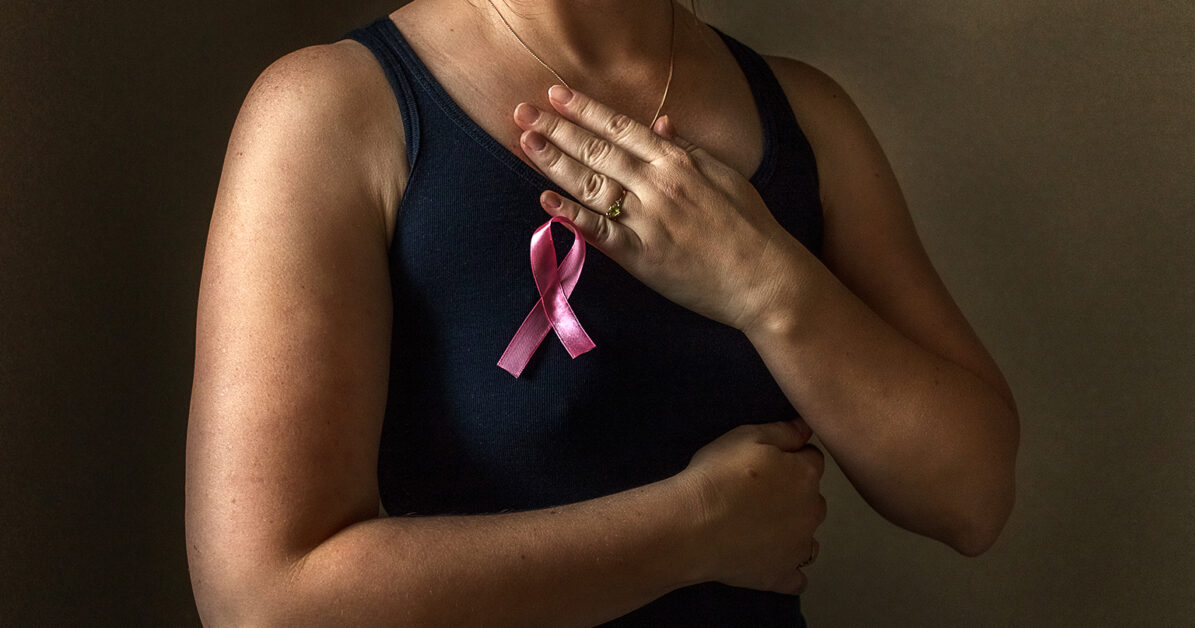
October is Breast Cancer Awareness Month, a time dedicated to raising awareness, promoting early detection, and supporting those affected by the disease. Regular screenings can save lives, especially in underserved communities where access to care may be limited. Join us this month in spreading knowledge and advocating for life-saving resources and support.

8 Quick Facts About Breast Cancer

  1. 1 in 8 women will develop invasive breast cancer in their lifetime.
  2. 297,000+ new cases of invasive breast cancer are expected in 2024.
  3. Men can get breast cancer too—around 2,400 cases diagnosed yearly.
  4. 5-year survival rate is 90%, higher with early detection.
  5. Breast cancer is the second leading cause of cancer death in U.S. women.
  6. Black women have a higher mortality rate despite similar diagnosis rates.
  7. Annual mammograms are recommended starting at age 40.
  8. Risk factors include age, family history, genetics, and lifestyle.

Breast Cancer and African American Women

Black women have a higher breast cancer mortality rate compared to white women, despite similar diagnosis rates. This is due to several contributing factors:


Later stage diagnosis: African American women are more likely to be diagnosed at later stages when the cancer is more advanced and harder to treat. This is often due to disparities in access to screening and healthcare.


Access to high-quality care: There are significant disparities in access to high-quality healthcare, including timely diagnosis, treatment options, and follow-up care. 


Healthcare bias: Implicit biases in the healthcare system can affect the quality of care Black women receive, leading to differences in treatment options, follow-up, and overall management of the disease.


Genetics: African American women have higher rates of certain genetic mutations, including BRCA1 and BRCA2, which are associated with an increased risk of breast cancer. 


Comorbidities: Black women may have higher rates of other health conditions, such as diabetes or hypertension, which can complicate cancer treatment and impact survival.

The Role of Community Health Centers in Addressing Breast Cancer Disparities

Community healthcare centers are addressing breast cancer disparities by improving access to screening and early detection. Many centers offer low-cost or free mammograms, particularly in underserved areas where African American women might have difficulty accessing preventive care. Outreach programs and mobile health units help eliminate transportation barriers and ensure that women can get the care they need. 


In addition to providing screening, community healthcare centers are enhancing education and awareness efforts, from culturally relevant campaigns to training healthcare providers in cultural competency to foster trust and improve communication. 


To further reduce barriers, many centers, like Marin City Health and Wellness Center, offer patient navigation programs to support women through the complex healthcare system. These navigators help patients schedule appointments, understand their treatment options, and connect with financial resources, making sure that economic or logistical challenges do not delay treatment.

Early Detection Screening

Early detection is crucial in the fight against breast cancer because it significantly improves survival rates by catching the disease at a stage when it is most treatable. When breast cancer is detected early, before it has spread, the 5-year survival rate can be as high as 99%. Regular mammograms can identify tumors before they are large enough to cause symptoms. For Black women, who are more likely to develop aggressive forms of breast cancer, timely diagnosis can mean the difference between life and death, as it allows for quicker intervention and less intensive treatment. By finding cancer early, healthcare providers can offer a wider range of treatment options, increasing the chances of successful outcomes and reducing the likelihood of the disease progressing to more dangerous stages.


A Note About Self-Exams 

While they do not replace regular mammograms or professional screenings, monthly breast self-exams help people become familiar with how their breasts normally look and feel, making it easier to notice any unusual changes, such as lumps, swelling, or changes in texture. Detecting abnormalities early through self-exams can prompt further evaluation and, if necessary, lead to earlier diagnosis and treatment.

Breast Cancer in Younger Women

Breast cancer in women under 40 is relatively uncommon, accounting for only about 5-7 percent of all cases, but younger women are more likely to develop fast-growing types of breast cancer. Those with a family history or genetic mutations like BRCA1 or BRCA2 are at higher risk. Unfortunately, because routine screening isn’t as common in this age group, breast cancer is often diagnosed at a later stage. This is why it is important to get tested—a simple blood test—for BRCA1 or BRCA2.

About MCHWC

Marin City Health and Wellness is a community health clinic serving Marin and San Francisco Counties, providing innovative health and wellness services to all, with the goal of African American health equity.


For an appointment, call (415) 339-8813.
Filed under: Marin City ClinicTagged with: , , , , , ,

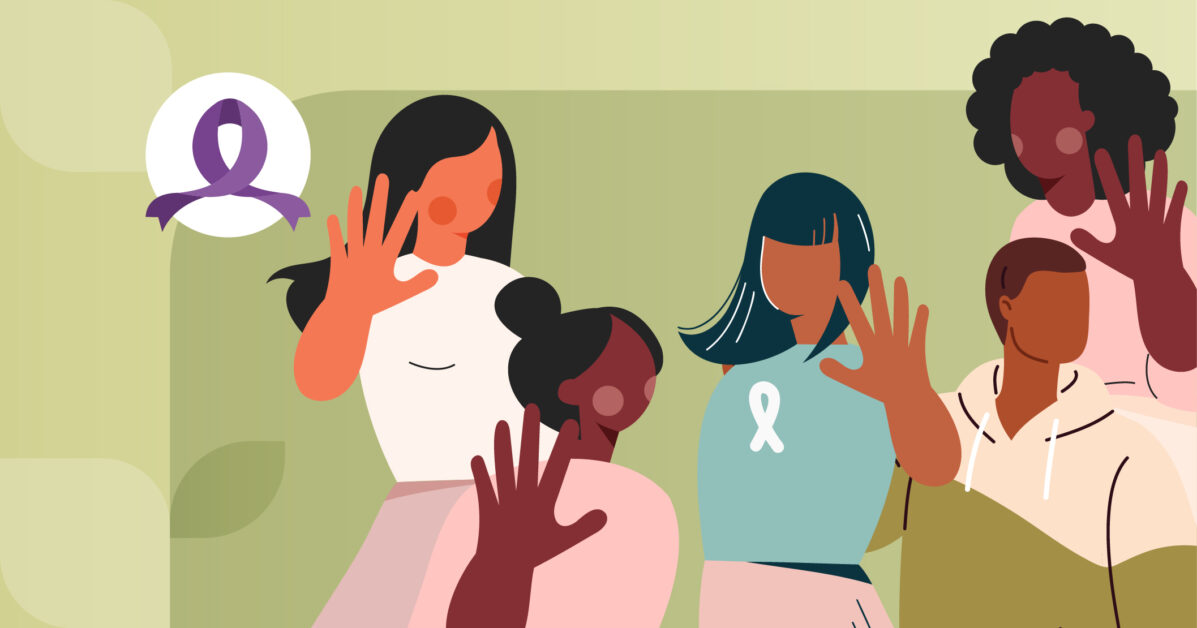
October is Domestic Violence Awareness Month

Together, We Can Make Our Community a Safer Place

October marks Domestic Violence Awareness Month, a crucial time for community health centers to come together in solidarity with survivors and raise awareness about the ongoing fight to end domestic violence. 


Domestic violence affects individuals across all demographics and is a public health crisis that extends beyond physical harm to impact mental, emotional, and social well-being.


Underserved communities face significant challenges when it comes to addressing domestic violence, making them especially vulnerable to abuse while having limited access to crucial care and resources. Factors such as poverty, lack of affordable healthcare, language barriers, and geographic isolation often compound the difficulties that survivors in these communities experience.


Economic barriers: Many survivors in underserved communities cannot afford the healthcare, legal aid, or shelter services they need to escape abusive situations. For those living paycheck to paycheck, the financial cost of seeking help—whether through medical services or court systems—can feel insurmountable, leaving them trapped in dangerous environments.


Limited healthcare access: In rural or economically disadvantaged areas, healthcare facilities may be scarce, making it harder for survivors to access medical treatment or counseling services after abuse. Even when services are available, they might lack the necessary resources, such as multilingual staff or trauma-informed care, to effectively serve diverse populations.


Cultural and language barriers: Many individuals from immigrant or non-English-speaking communities face additional obstacles in seeking help. They may be unfamiliar with the available resources, fear deportation, or encounter cultural stigmas surrounding domestic violence, preventing them from reaching out for help.


At our center, we recognize the importance of comprehensive care for survivors, from physical health services to emotional support and counseling. As we observe Domestic Violence Awareness Month, we are committed to not only offering direct support but also educating the community on the signs of abuse, how to prevent it, and how to intervene safely.


This month is a reminder that everyone has a role to play in creating a world free from violence. Whether you are someone seeking help or looking to support a loved one, our doors are open to provide the care and guidance you need. Together, we can foster safer and healthier communities.

Domestic Violence in California

According to the Department of Health and Human Services, approximately 1 in 3 women and 1 in 4 men in California experience some form of physical violence, sexual violence, or stalking by an intimate partner during their lifetime.


Also in California . . .


About 85% of domestic violence-related homicide victims are women.


Approximately 40% of women experience physical intimate partner violence in their lifetime.


Women aged 18 to 24 are at the highest risk of experiencing domestic violence.


An estimated 1 in 15 children are exposed to intimate partner violence each year, and 90% of these children witness the violence.


During the pandemic, domestic violence incidents surged, with some estimates suggesting a 25-33% increase. 

Domestic Violence Among Black and Latino Communities

Black and Latino communities face an increased vulnerability and barriers when it comes to domestic violence.


Black community


Prevalence: More than 45% of Black women have experienced physical violence, sexual violence, or stalking by an intimate partner in their lifetime, a higher rate compared to other ethnic groups in the U.S.(Source: DMS Services 2024)


Homicide risk: Black women are disproportionately affected by intimate partner homicides, with rates 2.5 times higher than white women. This is partly due to systemic barriers, including economic disparities and limited access to resources. (Source: Summit Defense)


Underreporting: Black survivors are often less likely to report domestic violence incidents due to mistrust of law enforcement and fear of further discrimination. (Source: DMS Services 2024)


Latino community


Prevalence: About 1 in 3 Latina women experience intimate partner violence in their lifetime. Language barriers, cultural stigmas, and immigration status can make it harder for Latina women to seek help. (Sources: Summit Defense and CDPH)


Immigration status: Latina women who are undocumented face significant barriers in accessing help due to fear of deportation or concerns about losing custody of their children. This fear often leads to underreporting. (Source: Summit Defense)


Health disparities: According to the California Department of Public Health, Latino survivors of domestic violence often face challenges in accessing healthcare, especially mental health services, due to lack of insurance and culturally sensitive care.

How Our Community Health Center Can Help

Confidential Counseling Services: Our behavioral health team provides compassionate, trauma-informed mental health support to survivors of domestic violence.


Medical Care: We offer comprehensive health services to support both the physical and emotional well-being of those impacted by domestic violence. 


Referral and Support: If you or someone you know needs additional resources, such as shelters, legal aid, or advocacy services, we can help connect you to the right partners.

Increased Risk Among Pregnant Women

According to the Centers for Disease Control and Prevention (CDC), approximately 324,000 pregnant women are affected by domestic violence annually.


Research shows that pregnancy can be a time of increased vulnerability for intimate partner violence (IPV), with many women experiencing their first incidents of violence during pregnancy. 


The physical, emotional, and financial stresses that often accompany pregnancy can exacerbate existing tensions in abusive relationships. Abusers may feel a loss of control or jealousy over the attention the pregnant woman receives, leading to an escalation of violence.


Studies indicate that between 3% to 9% of pregnant women experience intimate partner violence during pregnancy in the U.S., and this can vary widely depending on socioeconomic factors and geographic location​. 


Domestic violence during pregnancy increases the risk of serious health complications for both the mother and the baby, including miscarriage, preterm labor, low birth weight, and maternal mortality. Physical trauma can directly affect the pregnancy, while stress and emotional abuse can also lead to poor health outcomes.

Helping Pregnant Women at Risk of Domestic Violence

We can play a critical role in helping pregnant women at risk of domestic violence by providing comprehensive support that addresses their unique needs. In addition to providing trauma-informed care, emotional and mental health support, medical care, and referrals to specialized services, community health centers can assist in these key ways:


  1. Screening and Identification

Health centers can implement routine screening for domestic violence during prenatal visits. Screening tools can help identify signs of physical, emotional, or psychological abuse early, allowing healthcare providers to intervene before the violence escalates. Pregnant women might feel more comfortable disclosing abuse in a healthcare setting, especially if they are asked in a private and safe manner.


  1. Safety Planning

Health centers can offer safety planning for pregnant women experiencing domestic violence. This might involve helping them develop a plan to safely leave an abusive relationship, ensuring they have access to shelters, or connecting them to legal resources, such as restraining orders.


  1. Access to Prenatal and Postnatal Care

Domestic violence during pregnancy can have serious health implications for both the mother and the baby, including preterm birth, low birth weight, and maternal complications. Ensuring that pregnant women receive regular prenatal care and support is essential for monitoring both their physical and mental health.


  1. Culturally Sensitive Care

Pregnant women from underserved or immigrant communities often face additional barriers in accessing help, such as language barriers or cultural stigmas. A community health center can offer culturally sensitive care by providing multilingual staff and working to reduce cultural barriers, ensuring all women feel comfortable seeking help.


  1. Education and Awareness

Health centers can educate pregnant women on the signs of domestic violence, their rights, and the resources available to them. Workshops, brochures, or one-on-one consultations can provide critical information on how to seek help.


  1. Mobile Health Services

For women in underserved areas (and rural), access to healthcare can be limited. Mobile health services or telehealth options can provide critical care and screening for domestic violence, ensuring pregnant women have access to support even if they are geographically isolated.

Ensuring Equal Access for All

At Marin City Health and Wellness Center, we are committed to breaking down barriers by offering accessible, culturally sensitive services. We work to ensure that every individual—regardless of their background or circumstances—has the support they need to find safety and healing during Domestic Violence Awareness Month and beyond. Our services are tailored to meet the unique needs of underserved populations, providing not only medical care but also connections to legal aid, housing, and mental health support.


Together, we can work toward a future where everyone has equal access to safety and resources, no matter their socioeconomic status or geographic location.

  • Contact us at (415) 339-8813
  • Visit our website at marincity.org
  • If you or someone you know is in immediate danger, call 1-800-799-SAFE (7233) or 911.

About MCHWC

Marin City Health and Wellness is a community health clinic serving Marin and San Francisco Counties, providing innovative health and wellness services to all, with the goal of African American health equity.


For an appointment, call (415) 339-8813.
Filed under: Marin City ClinicTagged with: , , , , , , ,

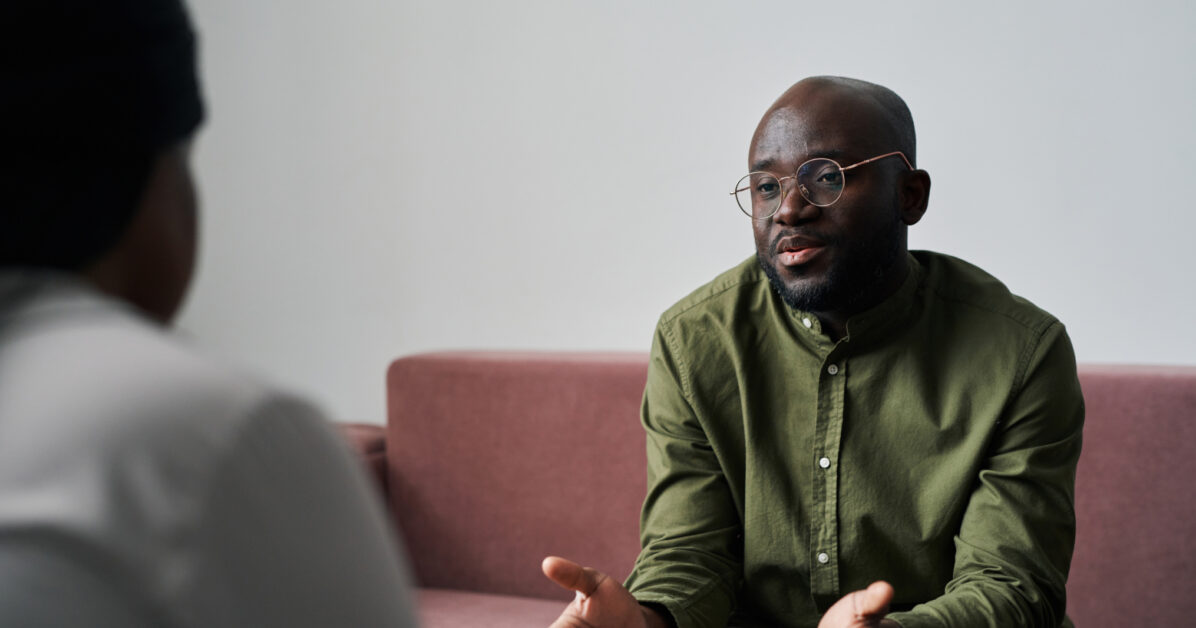
Suicide: Raising Awareness, Breaking the Stigma, Offering Hope

Suicide Prevention and Awareness Month is observed every September to encourage open conversations about mental health, educate the public on the warning signs of suicide, and highlight the importance of reaching out to those who may be struggling.


The month is an opportunity to remind everyone that help is available, and that suicide is preventable with the right support and intervention.

Underserved Communities Disproportionately Affected

Suicide rates and mental health challenges disproportionately affect underserved communities, including racial and ethnic minorities, LGBTQ+ individuals, low-income populations, and those living in rural areas.


Given the populations Marin City Health and Wellness treats, it’s important to know that  suicide rates among Black youth have been increasing at a faster rate than among other racial groups. According to a 2020 study (Pediatrics, “Suicide in Black American Adolescents: A Review” by Arielle H. Sheftall, PhD, et al.), Black adolescents were found to be more likely to attempt suicide without prior ideation, indicating a different pattern from other racial groups.


Hispanic individuals face cultural and linguistic barriers to accessing mental health care, and higher rates of suicidal ideation exist among Hispanic youth compared to non-Hispanic White youth (Centers for Disease Control and Prevention; National Survey on Drug Use and Health; and “Mental Health Disparities: Hispanic and Latino Populations” by the American Psychiatric Association). There is also a notable stigma around mental health issues in many Hispanic communities.


MCHWC offers access to culturally competent care to reduce stigma and improve mental health outcomes through its behavioral health services

Suicide Statistics for the Bay Area and Marin County

Suicide statistics specific to the Bay Area reflect broader trends but also show unique regional characteristics influenced by its diverse population, socioeconomic disparities, and access to mental health resources. 


Bay Area Overview:

The suicide rate in the Bay Area, which includes San Francisco, Alameda, Contra Costa, San Mateo, Santa Clara, and Marin counties, generally mirrors statewide rates in California, but specific rates can vary significantly by county.


The overall suicide rate in California was about 10.5 per 100,000 people in recent years, with the Bay Area typically having slightly lower or similar rates due to factors like higher socioeconomic status in some areas and greater access to mental health services.

White individuals often have the highest suicide rates among racial groups in the Bay Area, consistent with national trends. Asian Americans: There are notable concerns about suicide rates among Asian American communities, particularly among elderly Asian women, who have been shown to have higher rates of suicide compared to their counterparts in other racial groups. Young Asian American students also show concerning rates of suicidal ideation and attempts. Latino and Black communities: These groups typically have lower suicide rates than White individuals but face unique risk factors, including barriers to accessing culturally competent care, economic challenges, and stigma associated with mental health.


Marin County Overview:

Marin County, located just north of San Francisco, often has a higher suicide rate compared to other Bay Area counties and the California state average. The rate has been reported to fluctuate but generally ranges around 13-15 suicides per 100,000 people, which is higher than the state average of approximately 10.5 per 100,000.


The reasons for Marin’s higher rates are multifaceted, including factors like the county’s aging population, mental health stigma, and accessibility to lethal means (e.g., the accessibility of firearms).


Marin County is predominantly White, and this demographic has the highest suicide rate in the county. Other racial and ethnic groups, such as Hispanic, Black, and Asian communities, have lower rates, but they still face challenges related to mental health access and stigma.


Despite Marin County’s overall affluence, economic disparities exist, contributing to mental health challenges among lower-income residents. Financial stress, housing instability, and the high cost of living are significant risk factors.


Marin City

Residents of Marin City often experience barriers to accessing mental health services, including a lack of local providers, transportation challenges, and cultural or language barriers.

The Duality of Mental Disorders and Substance Abuse

When someone suffers from both a mental health disorder and substance disorder use it is referred to as a dual diagnosis or co-occurring disorders. This combination is common, as people with mental health conditions such as anxiety, bipolar disorder, PTSD, or schizophrenia often turn to substances like alcohol, drugs, or prescription medications as a way to cope with their symptoms or mask feelings of vulnerability.  While substance use might offer temporary relief, it typically worsens the underlying mental health issues and creates a harmful cycle. The cialis substances can disrupt brain chemistry and exacerbate symptoms, making it even harder for individuals to manage their mental health. This complex interplay complicates the diagnosis and treatment process, as the symptoms of mental health disorders and substance abuse can mask or amplify each other, leading to challenges in identifying the root causes and providing effective care.

Treating a Dual Diagnosis

Treating dual diagnosis requires an integrated and comprehensive approach that addresses both mental health issues and substance abuse simultaneously. 


A combination of therapies, such as Cognitive Behavioral Therapy (CBT) or Dialectical Behavior Therapy (DBT), is often used to help individuals understand and change negative thought patterns, build healthier coping strategies, and reduce reliance on substances. 


Medications may also be prescribed to stabilize mood, manage anxiety, or address other specific symptoms, alongside treatment for substance use, such as medication-assisted therapy (MAT) for addiction. 


Recovery is often supported by peer groups and community resources, which provide essential social support and a shared understanding of the challenges faced by those with dual diagnoses. 


The journey to recovery can be particularly demanding for individuals with co-occurring disorders, but with consistent, integrated treatment and a strong support system, meaningful progress and improved mental health outcomes are achievable.

About MCHWC

Marin City Health and Wellness is a community health clinic serving Marin and San Francisco Counties, providing innovative health and wellness services to all, with the goal of African American health equity.


For an appointment, call (415) 339-8813.

Filed under: Marin City ClinicTagged with: , , , , ,

September is the Perfect Time to Focus on Self-Care

September is Self-Care Awareness Month, a time where we are reminded of the importance of taking care of our physical, emotional, and mental well-being. MCHWC encourages its patients to make self-care a priority by engaging in activities that promote relaxation, health, and overall happiness.

Self-Care for Women’s Well-Being

Women often prioritize the needs of their families, communities, and workplaces over their own, leading to a cycle of neglecting personal health and well-being. This self-sacrificing behavior can result in increased stress, burnout, and health problems, as they continuously serve others without allocating time or resources for their self-care.


At our MCHWC San Rafael Women’s Health Center, we offer treatment and special events specifically for women, emphasizing the importance of prioritizing their own health and providing accessible resources and support to integrate self-care into their daily lives. 


Here are just a few things we encourage all women (and men, as it applies) to do in the name of self-care:


Schedule regular health screenings: we promote the importance of regular check-ups, including mammograms, Pap smears, and other preventive health screenings.


Engage in physical activity: Incorporate regular physical activity, like walking, yoga, or dancing, to boost mood and energy levels.


Maintain a balanced diet: A balanced diet rich in fruits, vegetables, and whole grains can help stave off illness.


Prioritize sleep: A variety of factors, including stress or anxiety related to balancing work, family, and personal responsibilities; hormonal changes associated with menstrual cycles, pregnancy, or menopause; physical health issues such as chronic pain; mental health conditions like depression or insomnia; and environmental factors such as noise, light, or an uncomfortable sleep environment can make sleep difficult. Additionally, caregiving duties, especially for children or elderly family members, can disrupt regular sleep patterns. If you are having trouble getting quality sleep, talk to a health care provider about what you can do to improve your sleep. 


Maintain social connections: Social interactions can help reduce the risk of depression, cognitive decline, and dementia, enhance our sense of purpose, and increase longevity. Engaging with friends, family, and community also provides emotional support, mitigates feelings of isolation and loneliness, and can encourage healthy behaviors, like exercise.


At our Women’s Health Center we offer the following services:

  • Pap screenings and routine well woman care
  • Contraception
  • Fertility awareness
  • Vaginal infection and urinary symptoms treatment
  • Sexually transmitted infections testing and management
  • Menstrual irregularity evaluation and management

Mental Health Matters

At Marin City Health and Wellness Center (MCHWC), we provide a holistic, interpersonal approach when it comes to mental health. 


In addition to regular exercise and getting good sleep as explained above, these self-care practices can help enhance mental health and build resilience against stress and burnout:


Practice mindfulness: Engage in daily mindfulness exercises, such as meditation or deep breathing, to reduce stress and increase self-awareness.


Set boundaries: Learn to say “no” and establish healthy boundaries to protect your mental and emotional well-being.


Connect with others: Reach out to friends, family, or support groups to share feelings and build a sense of community.


Seek professional help: Schedule a session with a therapist or counselor to discuss any mental health concerns or challenges. For a behavioral health services appointment at MCHWC, call our Behavioral Health Coordinator at (415) 339-8813.


Limit screen time: Reduce time spent on social media or news consumption to minimize anxiety and information overload.


Practice gratitude: Keep a gratitude journal, writing down three things you’re thankful for each day to foster positivity.


Engage in creative activities: Try creative outlets like painting, writing, or crafting to express emotions and relieve stress.


Prioritize nutrition: Focus on a balanced diet rich in nutrients that support brain health, such as omega-3 fatty acids, fruits, and vegetables. Take advantage of MCHWC’s nutrition services. For free one-on-one support for nutrition, exercise and wellness counseling, call (415) 339-8813 or send an email to [email protected].


Use relaxation techniques: Incorporate relaxation methods like progressive muscle relaxation or aromatherapy into your daily routine.


Practice self-compassion: Be gentle with yourself, acknowledge your feelings, and avoid self-criticism during challenging times.


Take breaks: Make time for short, regular breaks throughout the day to recharge and reset your mind.


Engage in nature: Spend time outdoors, whether it’s a walk in the park or a hike, to reduce stress and improve mood.


Educate yourself: Learn more about mental health through books, podcasts, or workshops to better understand and manage your well-being.

Substance Abuse Disorders, Recovery and MAT

During Self-Care Awareness Month, it’s a great time to recognize that prioritizing your health includes addressing substance use disorders, and seeking Medication-Assisted Treatment (MAT) can be a vital step toward reclaiming your well-being. 


MAT provides both medical support and counseling to help manage cravings and withdrawal symptoms, empowering you to take charge of your recovery journey with the compassionate care you deserve.


Learn more about our approach to recovery services and MAT and the support services we offer here. 

About MCHWC

Marin City Health and Wellness is a community health clinic serving Marin and San Francisco Counties, providing innovative health and wellness services to all, with the goal of African American health equity.


Make your appointment today by calling (415) 339-8813.

Filed under: Marin City ClinicTagged with: , , , , , , , ,

Free Cervical (Pap) Screening

On August 19 or September 27 get a free pap smear and HPV test, which can detect abnormal cells and help with cancer prevention. Experience a relaxing and essential visit to our Women’s Health Center with a serene atmosphere that includes flowers, candles, and gentle music during your cervical screening appointment.

As a reward, you’ll receive a $20 gift card!

Event Dates & Locations

Mon, Aug 19 | 8 a.m.–5 p.m. MCHWC San Rafael Women’s Health Center 880 Las Gallinas Ave, Ste 2, San Rafael, CA 94903


Fri, Sep 27 | 10:30 a.m.–4 p.m. Marin City Health and Wellness Center 100 Phillips Dr, Marin City, CA 94965

Pap and HPV Tests

A Pap (short for Papanicolaou) smear can detect potentially precancerous or cancerous cells. An HPV test can detect the common human papillomavirus, which is passed via skin-to-skin contact. It usually goes away on its own, but, if not it can cause genital warts or, less commonly, lead to cancer. HPV is the main cause of cervical cancer.

Timeline Guidelines

When it comes to who should be tested and at what age, we support the recommendations of the U.S. Preventive Services Task Force; however, it is always important to consult with your doctor.

Women ages 21 to 29: It’s recommended that your first Pap smear happen at age 21, whether or not you are sexually active (however, it is never too late to start getting screened). If your first Pap smear results are normal, you can wait three years till your next test.

Women ages 30 to 65: continue having a Pap test every three years, or every five years if you also get the HPV test.

Women 65 and older: If you have a history of normal Pap smears, you can usually stop getting screened.

• If you have had a full hysterectomy you can stop getting screened.

Schedule your FREE screening today! Call (415) 339-8813.

Filed under: Events, Marin City Clinic

Community Health Centers Take Part in National Wellness Month

In a month that lends itself to time off, family vacations, and soaking up the summer sun, it’s only fitting that August is National Wellness Month. In 2018, Live Love Spa founded National Wellness Month “to foster community, connection, and commerce in the wellness industry.” Since then it has grown to be less about commerce and more about a time to, according to the National Day Calendar, “prioritize your self-care, reduce stress, and create healthier habits to feel like your best self!”

Key Objectives for National Wellness Month

National Wellness Month aims to inspire individuals to prioritize their well-being and adopt practices that contribute to a healthier, more balanced life. Key objectives include the following:

  • Promoting the adoption of healthier lifestyle choices, such as balanced diets, regular exercise, sufficient sleep, and hydration.
  • Highlighting the importance of mental health, encouraging stress management practices, mindfulness, and mental health check-ups.
  • Emphasizing the importance of preventive care, such as regular medical check-ups, vaccinations, and screenings—for kids and adults. 
  • Encouraging community activities and initiatives that promote wellness, such as local wellness fairs, fitness challenges, and support groups.
  • Promoting strategies to improve work-life balance, including flexible working hours, taking breaks, and setting boundaries between work and personal life.
  • Encouraging the development of strong, supportive relationships with family, friends, and colleagues as a key component of overall wellness.
  • Providing information and resources on various wellness topics to educate and empower individuals to take charge of their health.

Cost-Effective Strategies for Reinforcing Wellness

This month, people are encouraged to adopt or reinforce healthy habits, which can be done even on a low budget. By connecting the following actions to initiatives and resources available, anyone can enhance their overall well-being:

Physical Health

  • Exercise regularly: Participate in community fitness challenges or free local wellness events. Take advantage of free fitness classes in parks or community centers.
  • Eat healthy: Use resources for healthy cooking demonstrations or nutrition workshops and learn how to prepare nutritious meals on a budget.
  • Hydration, hydration, hydration: Commit to drinking more water and take part in hydration challenges that might be promoted during this month.
  • Preventive care: Utilize free health screenings and check-ups.

Mental Health

  • Learn to meditate: Join free or low-cost meditation and mindfulness sessions that are often organized during National Wellness Month. Many organizations offer special programs and resources in August.
  • Make social connections: Participate in community events and activities that encourage socializing and building support networks.
  • Get out in nature: Take advantage of group nature walks or outdoor yoga sessions.

Financial Health

  • Budgeting: Attend free financial wellness workshops or seminars to learn better money management skills.
  • Resource utilization: Discover new community resources highlighted during National Wellness Month, such as food banks, clothing drives, and library programs.

Lifestyle Changes

  • Quit smoking: Utilize free smoking cessation programs and resources.
  • Limit alcohol: Join challenges or support groups focusing on reducing alcohol consumption.

Community Resources

  • Join support groups: Look for support groups and wellness programs that are specifically promoted during National Wellness Month. Many organizations increase their outreach efforts in August. We are in the process of putting
    together a variety of support groups, depending on community interest. Possible groups include Coping Skills, Parents Support Group, and Trauma Substance Abuse (aka Seeking Safety). Please give us a call at (415) 339-8813 to add yourself to the waitlist, and we will contact you when we have more details. When calling, please indicate the type of group that interests you.
  • Utilize community programs: Take advantage of free fitness classes, health education workshops, and other wellness programs.


Which leads us to National Health Center Week  . . .

National Health Center Week is Aug 4–10

Every August, the National Association of Community Health Centers (NACHC) sponsors National Health Center Week (NHCW) to celebrate and increase awareness of America’s 1,400 community health centers (CHCs).


About National Health Center Week

National Health Center Week is an opportunity to highlight the commitment and passion of community health center staff, board members, and supporters who make it possible to provide quality, comprehensive healthcare services to more than 31.5 million patients across nearly 15,000 communities annually.


#NHCW24 Theme: Powering Communities Through Caring Connections

Community health centers serve as a beacon of strength, service, and care in their communities. In moments of pain and loss, they offer support and love. In moments of triumph, they offer hope and a vision for the future. This year’s National Health Center Week theme focuses on empowering communities by connecting them with health centers and elected officials from all levels of government. Celebrate the uniqueness of your community and get to know those dedicated to lasting partnerships!

Health Center Week Schedule

Each day of National Health Center Week is dedicated to a particular focus area:


Sun, Aug 4: Public Health in Housing Day 

Mon, Aug 5: Healthcare for People Experiencing Homelessness Day

Tue, Aug 6: Agricultural Worker Health Day

Wed, Aug 7: Patient Appreciation Day

Thu, Aug 8: Stakeholder Appreciation Day

Fri, Aug 9: Health Center Staff Appreciation Day

Sat, Aug 10: Children’s Health Day


Coordinating National Health Center Week celebrations around the corresponding focus days showcase the innovative ways community health centers provide high-quality care, improve health outcomes, and narrow health disparities in their communities. However, events do not have to coincide exactly with respective dates; they are simply meant as a framework to enhance activities. Coordinating local efforts around these themes helps maximize the national impact of the collective health center message.

Amplify the Message of Wellness

Share this article on social media and include the following hashtags:


#NationalWellnessMonth  

#NHCW24

#wellfie

#ichoosewellness 


Marin City Health and Wellness is a community health clinic serving Marin and San Francisco Counties, providing innovative health and wellness services to all, with the goal of African American health equity.

Filed under: Marin City ClinicTagged with: , , , , ,