
Free Cervical (Pap) Screening

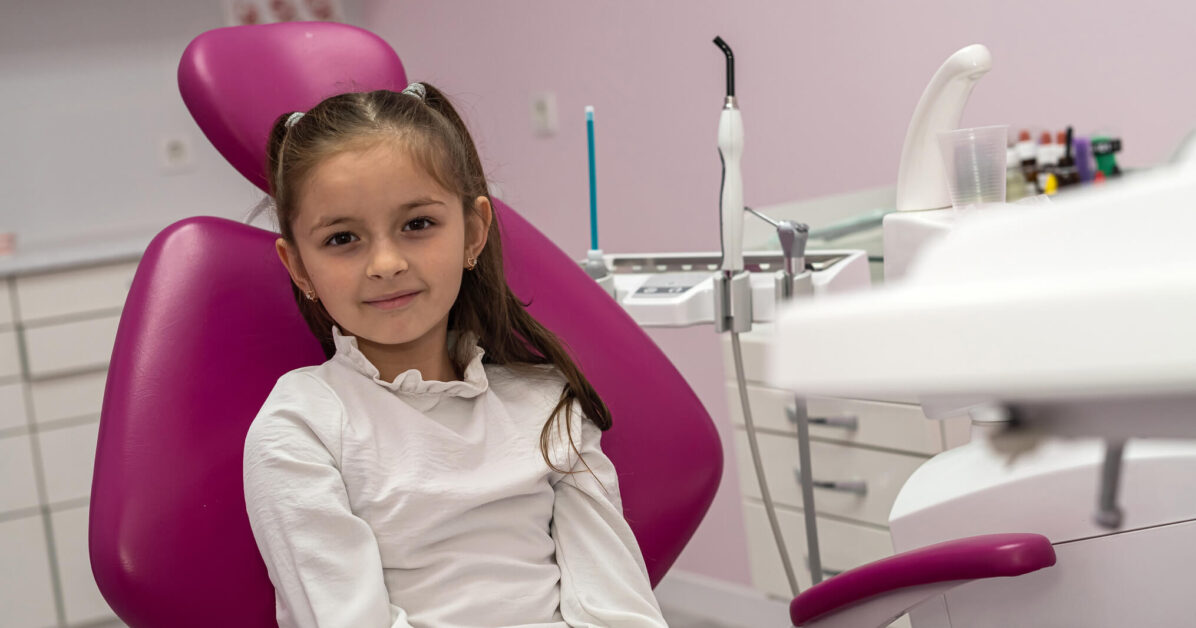
On August 19 or September 27 get a free pap smear and HPV test, which can detect abnormal cells and help with cancer prevention. Experience a relaxing and essential visit to our Women’s Health Center with a serene atmosphere that includes flowers, candles, and gentle music during your cervical screening appointment.

As a reward, you’ll receive a $20 gift card!

Event Dates & Locations

Mon, Aug 19 | 8 a.m.–5 p.m. MCHWC San Rafael Women’s Health Center 880 Las Gallinas Ave, Ste 2, San Rafael, CA 94903


Fri, Sep 27 | 10:30 a.m.–4 p.m. Marin City Health and Wellness Center 100 Phillips Dr, Marin City, CA 94965

Pap and HPV Tests

A Pap (short for Papanicolaou) smear can detect potentially precancerous or cancerous cells. An HPV test can detect the common human papillomavirus, which is passed via skin-to-skin contact. It usually goes away on its own, but, if not it can cause genital warts or, less commonly, lead to cancer. HPV is the main cause of cervical cancer.

Timeline Guidelines

When it comes to who should be tested and at what age, we support the recommendations of the U.S. Preventive Services Task Force; however, it is always important to consult with your doctor.

Women ages 21 to 29: It’s recommended that your first Pap smear happen at age 21, whether or not you are sexually active (however, it is never too late to start getting screened). If your first Pap smear results are normal, you can wait three years till your next test.

Women ages 30 to 65: continue having a Pap test every three years, or every five years if you also get the HPV test.

Women 65 and older: If you have a history of normal Pap smears, you can usually stop getting screened.

• If you have had a full hysterectomy you can stop getting screened.

Schedule your FREE screening today! Call (415) 339-8813.

Filed under: Events, Marin City Clinic

Community Health Centers Take Part in National Wellness Month

In a month that lends itself to time off, family vacations, and soaking up the summer sun, it’s only fitting that August is National Wellness Month. In 2018, Live Love Spa founded National Wellness Month “to foster community, connection, and commerce in the wellness industry.” Since then it has grown to be less about commerce and more about a time to, according to the National Day Calendar, “prioritize your self-care, reduce stress, and create healthier habits to feel like your best self!”

Key Objectives for National Wellness Month

National Wellness Month aims to inspire individuals to prioritize their well-being and adopt practices that contribute to a healthier, more balanced life. Key objectives include the following:

  • Promoting the adoption of healthier lifestyle choices, such as balanced diets, regular exercise, sufficient sleep, and hydration.
  • Highlighting the importance of mental health, encouraging stress management practices, mindfulness, and mental health check-ups.
  • Emphasizing the importance of preventive care, such as regular medical check-ups, vaccinations, and screenings—for kids and adults. 
  • Encouraging community activities and initiatives that promote wellness, such as local wellness fairs, fitness challenges, and support groups.
  • Promoting strategies to improve work-life balance, including flexible working hours, taking breaks, and setting boundaries between work and personal life.
  • Encouraging the development of strong, supportive relationships with family, friends, and colleagues as a key component of overall wellness.
  • Providing information and resources on various wellness topics to educate and empower individuals to take charge of their health.

Cost-Effective Strategies for Reinforcing Wellness

This month, people are encouraged to adopt or reinforce healthy habits, which can be done even on a low budget. By connecting the following actions to initiatives and resources available, anyone can enhance their overall well-being:

Physical Health

  • Exercise regularly: Participate in community fitness challenges or free local wellness events. Take advantage of free fitness classes in parks or community centers.
  • Eat healthy: Use resources for healthy cooking demonstrations or nutrition workshops and learn how to prepare nutritious meals on a budget.
  • Hydration, hydration, hydration: Commit to drinking more water and take part in hydration challenges that might be promoted during this month.
  • Preventive care: Utilize free health screenings and check-ups.

Mental Health

  • Learn to meditate: Join free or low-cost meditation and mindfulness sessions that are often organized during National Wellness Month. Many organizations offer special programs and resources in August.
  • Make social connections: Participate in community events and activities that encourage socializing and building support networks.
  • Get out in nature: Take advantage of group nature walks or outdoor yoga sessions.

Financial Health

  • Budgeting: Attend free financial wellness workshops or seminars to learn better money management skills.
  • Resource utilization: Discover new community resources highlighted during National Wellness Month, such as food banks, clothing drives, and library programs.

Lifestyle Changes

  • Quit smoking: Utilize free smoking cessation programs and resources.
  • Limit alcohol: Join challenges or support groups focusing on reducing alcohol consumption.

Community Resources

  • Join support groups: Look for support groups and wellness programs that are specifically promoted during National Wellness Month. Many organizations increase their outreach efforts in August. We are in the process of putting
    together a variety of support groups, depending on community interest. Possible groups include Coping Skills, Parents Support Group, and Trauma Substance Abuse (aka Seeking Safety). Please give us a call at (415) 339-8813 to add yourself to the waitlist, and we will contact you when we have more details. When calling, please indicate the type of group that interests you.
  • Utilize community programs: Take advantage of free fitness classes, health education workshops, and other wellness programs.


Which leads us to National Health Center Week  . . .

National Health Center Week is Aug 4–10

Every August, the National Association of Community Health Centers (NACHC) sponsors National Health Center Week (NHCW) to celebrate and increase awareness of America’s 1,400 community health centers (CHCs).


About National Health Center Week

National Health Center Week is an opportunity to highlight the commitment and passion of community health center staff, board members, and supporters who make it possible to provide quality, comprehensive healthcare services to more than 31.5 million patients across nearly 15,000 communities annually.


#NHCW24 Theme: Powering Communities Through Caring Connections

Community health centers serve as a beacon of strength, service, and care in their communities. In moments of pain and loss, they offer support and love. In moments of triumph, they offer hope and a vision for the future. This year’s National Health Center Week theme focuses on empowering communities by connecting them with health centers and elected officials from all levels of government. Celebrate the uniqueness of your community and get to know those dedicated to lasting partnerships!

Health Center Week Schedule

Each day of National Health Center Week is dedicated to a particular focus area:


Sun, Aug 4: Public Health in Housing Day 

Mon, Aug 5: Healthcare for People Experiencing Homelessness Day

Tue, Aug 6: Agricultural Worker Health Day

Wed, Aug 7: Patient Appreciation Day

Thu, Aug 8: Stakeholder Appreciation Day

Fri, Aug 9: Health Center Staff Appreciation Day

Sat, Aug 10: Children’s Health Day


Coordinating National Health Center Week celebrations around the corresponding focus days showcase the innovative ways community health centers provide high-quality care, improve health outcomes, and narrow health disparities in their communities. However, events do not have to coincide exactly with respective dates; they are simply meant as a framework to enhance activities. Coordinating local efforts around these themes helps maximize the national impact of the collective health center message.

Amplify the Message of Wellness

Share this article on social media and include the following hashtags:


#NationalWellnessMonth  

#NHCW24

#wellfie

#ichoosewellness 


Marin City Health and Wellness is a community health clinic serving Marin and San Francisco Counties, providing innovative health and wellness services to all, with the goal of African American health equity.

Filed under: Marin City ClinicTagged with: , , , , ,

Youth Well-Care Checkup

FREE Pediatric and Dental Events (Ages 3–17) July 17, July 31, August 7


Our Youth Well-Care Checkup events take place on July 17, July 31 and August 7. For kids ages 3–17 we are offering FREE pediatric and dental services. Through immunization, nutrition and safety concerns, dental screenings and more, we want to help develop your child’s optimal health.

Event Highlights

• Physical and mental health checkup

• Vaccination review

• Dental wellness awareness

• Fun games

• Giveaways and gift cards

To make an appointment, call us at (415) 339-8813.


Note: On the day of your appointment, bring a list of topics you want to discuss with the pediatrician and/or dentist.

Filed under: Marin City Clinic

July is National Minority Mental Health Awareness Month

National Minority Mental Health Awareness Month, observed in July, is dedicated to raising awareness about the unique mental health challenges faced by minority communities in the United States. Established in 2008 by the U.S. House of Representatives, this month-long observance aims to promote inclusive mental health education and reduce the stigma surrounding mental health issues among diverse racial and ethnic groups.

Key Objectives

Key objectives of National Minority Mental Health Awareness Month include:


Raising Awareness: Highlighting the prevalence of mental health conditions in minority populations and the need for culturally competent care.

Education: Providing resources and information about mental health, including symptoms, treatment options, and coping strategies tailored to the needs of minority groups.

Advocacy: Encouraging policy changes that improve mental health services and access for minority communities.

Support: Promoting community support networks and encouraging individuals to seek help and share their experiences.

Research: Supporting research into the specific mental health needs and disparities affecting minority populations.

Minority Mental Health Policy and Data Specific to California

California, with its diverse population, has unique considerations and initiatives related to minority mental health. Here are some specific aspects about California and minority mental health:

Demographics and Challenges


Diverse Population: California is one of the most ethnically diverse states in the U.S., with significant populations of Latino, African American, Asian, Pacific Islander, and Native American communities.

Language Barriers: Many minority groups in California face language barriers that hinder access to mental health services.

Cultural Stigma: There is often a higher level of stigma surrounding mental health issues in minority communities, which can prevent individuals from seeking help.

Initiatives and Programs


California Reducing Disparities Project (CRDP): This statewide initiative aims to reduce mental health disparities by developing and implementing community-defined evidence practices. The CRDP focuses on five target populations: African Americans, Latinos, Asian and Pacific Islanders, Native Americans, and LGBTQ+ communities.

Mental Health Services Act (MHSA): Also known as Proposition 63, this act provides funding for county mental health programs. It includes provisions to address the needs of underserved populations, including racial and ethnic minorities.

Office of Health Equity (OHE): This office within the California Department of Public Health focuses on promoting health and mental health equity. The OHE works on initiatives that address the social determinants of health affecting minority communities.

Community and Advocacy Groups


NAMI California (National Alliance on Mental Illness): NAMI California provides resources and support for mental health, with specific programs and outreach efforts targeting minority communities.

California Pan-Ethnic Health Network (CPEHN): This organization works to improve health outcomes for communities of color in California. They advocate for policies and practices that address mental health disparities.

The Latino Coalition for a Healthy California (LCHC): LCHC focuses on promoting health and mental health equity for Latino communities through advocacy, policy, and programmatic efforts.

Educational and Outreach Efforts


Cultural Competency Training: Many mental health providers in California offer cultural competency training to ensure that mental health professionals are equipped to serve diverse populations effectively.

Community Health Fairs: Local health departments and community organizations often hold health fairs that provide mental health screenings, education, and resources specifically tailored to minority populations.

Public Awareness Campaigns: California runs various public awareness campaigns aimed at reducing stigma and increasing awareness of mental health issues in minority communities.

Policy and Research


Data Collection and Research: California collects and analyzes data on mental health disparities among minority populations to inform policy and program development.

Legislative Efforts: California has passed various bills aimed at improving mental health services and access for minority populations, including efforts to increase funding and resources for culturally competent care.

By focusing on these areas, California strives to address the mental health needs of its diverse population and reduce disparities in mental health care.

How Individuals, Businesses, and Community Health Support Minority Mental Health

Individuals


• Educate Yourself and Others: Learn about the mental health challenges faced by minority communities and share this information with friends, family, and social networks.

• Support Minority Mental Health Organizations: Donate to or volunteer with organizations that focus on mental health services for minority populations.

• Advocate for Policy Changes: Contact local, state, and federal representatives to advocate for policies that improve mental health care access and equity for minorities.

• Participate in Awareness Events: Attend or organize events such as webinars, workshops, and community gatherings that focus on minority mental health issues.

• Share Personal Stories: If comfortable, share your own experiences with mental health to help reduce stigma and encourage others to seek help.

Businesses


• Promote Diversity and Inclusion: Foster an inclusive workplace culture that supports mental health for all employees, especially those from minority backgrounds.

• Provide Resources and Training: Offer mental health resources and training for employees, emphasizing the importance of culturally competent care.

• Support Minority Mental Health Organizations: Partner with or sponsor organizations that focus on minority mental health.

• Create Awareness Campaigns: Launch internal and external campaigns to raise awareness about minority mental health issues and promote supportive behaviors.

• Ensure Access to Mental Health Services: Include comprehensive mental health coverage in employee benefits, with a focus on culturally appropriate care.

Community Health Clinics


Develop Culturally Competent Programs: Create and implement mental health programs that are tailored to the specific needs of minority communities.

Promote Collaboration: Work with local organizations, religious institutions, and community leaders to raise awareness and provide mental health services.

Host Educational Events: Organize workshops, seminars, and health fairs to educate the community about mental health and available resources.

Improve Access to Services: Ensure that mental health services are accessible, affordable, and available in multiple languages to meet the needs of diverse populations.

Collect and Use Data: Gather data on mental health disparities in minority communities and use this information to inform policy decisions and program development.

Key Points Related to Minority Mental Health in Marin County

Marin County is better known for its affluence, but also has significant disparities in health and mental health outcomes among its minority populations.


Hispanic and Latino populations have higher rates of reported stress and depression compared to the white population. African Americans in Marin County are disproportionately affected by mental health issues and face greater challenges in accessing care. And Asian communities deal with cultural stigma and language barriers that often prevent individuals from seeking mental health services.

Demographic Context


Population: Marin County has a diverse population, though it is predominantly white. According to recent estimates, about 16% of the population is Hispanic or Latino, 6% Asian, 3% African American, and 2% multiracial.

Income and Education Disparities: There are significant disparities in income and education levels among different racial and ethnic groups in Marin County, which impact access to health and mental health services.

Mental Health Disparities


Prevalence of Mental Health Issues: Minority populations in Marin County, particularly Hispanic and African American communities, experience higher rates of mental health issues such as depression and anxiety compared to the white population.

Access to Services: Minority groups often face barriers to accessing mental health services, including lack of insurance, cultural stigma, and language barriers.

Data and Reports


Marin County Health Rankings and Roadmaps: According to the County Health Rankings, Marin County generally performs well in health outcomes but shows disparities in mental health outcomes for minority populations.

Community Health Needs Assessment (CHNA): The CHNA for Marin County identifies mental health as a top health priority. The assessment highlights that Hispanic and African American residents report higher levels of stress, depression, and anxiety and face greater challenges in accessing mental health services.

California Health Interview Survey (CHIS): Data from CHIS indicates that minority populations in Marin County are less likely to have access to mental health services and more likely to experience unmet mental health needs.

Community Engagement


Outreach Programs: Marin County conducts outreach programs in minority communities to raise awareness about mental health issues and available services.

Support Groups: Various support groups are available for minority communities, offering culturally relevant support and resources for mental health.

By addressing these disparities and implementing targeted programs, Marin County aims to improve mental health outcomes for its minority populations and ensure equitable access to mental health care.

Behavioral Health at MCHWC

As a community health clinic, MCHWC is working to break down barriers to mental health services and meet the needs of Marin County’s underserved communities, which are largely made up of African Americans, Hispanic, and other so-called minority groups.


“Our behavioral health department provides a space to learn coping skills, express feelings, and process difficult experiences,” says Dr. Julie Morris, Director of Behavioral Health at MCHWC.


Our behavioral health department provides a full range of mental health services, offering therapeutic support for:


• Depression/mood disorders

• Anxiety

• Trauma

• Behavioral goals

• (e.g., smoking cessation, weight loss)

• Coping with medical problems,

• Grief and bereavement

• Substance use

• Developmental disorders

• (e.g., autism, ADHD)

• Social/interpersonal issues


Likewise, our Clinical Psychologist Dr. Karuna Leary provides a safe space, free of judgment and full of support for individuals and families to learn new ways to communicate, to have a new experience of self or each other. “I hope to engage my patients in creating more fulfilling relationships, ease and joy in their lives,” he says.


For an appointment, call (415) 339-8813 and ask for our Behavioral Health Coordinator.

Community Engagement


Aside from our comprehensive health services, including mental health care, to underserved populations in Marin County, here are other local initiatives:


Cultural Competency Training: Marin County offers training for mental health providers to improve cultural competency and better serve minority populations.

Partnership HealthPlan of California (PHC): PHC is a managed care organization that provides mental health services to Medi-Cal beneficiaries in Marin County, focusing on improving access for minority populations.

Behavioral Health and Recovery Services (BHRS): Marin County’s BHRS department provides mental health and substance use services, with targeted programs for minority communities to address specific cultural needs and barriers.

MCHWC is in the process of putting together a variety of support groups, depending on community interest. Possible groups include Coping Skills, Parents Support Group, and Trauma Substance Abuse (aka Seeking Safety). Please give us a call at (415) 339-8813 to add yourself to the waitlist, and we will contact you when we have more details. When calling, please indicate the type of group that interests you.

Filed under: Marin City ClinicTagged with: , , , , , , ,

Find MCHWC at Marin City’s Weekly Market Day

Every Thursday, from 1–5 p.m., Market Day takes place at Marin City Community Services, located at 640 Drake Ave. Market goers enjoy access to locally sourced, fresh produce, and includes The Rollin’ Root Mobile Market (1–2 p.m.), a program of the Agricultural Institute of Marin (AIM) to help ensure everyone has access to delicious fruits and vegetables, regardless of socio-economic status.


At this weekly event, MCHWC maintains a presence to answer any questions about our services and help with insurance enrollment. If you would like to make an appointment or need more information, call our mainline at (415) 339-8813, etx. 137 and ask for Danetta Livingston-Williams.


We hope to see you there!

Filed under: Marin City Clinic

Promoting Men’s Health: How Community Health Clinics Play a Role

“Men’s health is not just a man’s issue, it’s a family issue, a community issue, and a societal issue.”  —Dr. Jean Bonhomme, Founder of the National Black Men’s Health Network.


Men’s health is a critical aspect of public health, yet it often remains underemphasized, particularly in underserved communities. Systemic barriers to healthcare access, cultural stigmas, and socio-economic challenges contribute to significant health disparities. Addressing these issues requires a focused approach, and community health clinics, such as Marin City Health and Wellness Center (MCHWC), are a vital resource to bridge the gap and promote overall well-being.

Men Go to the Doctor Less than Women

Research consistently shows that men visit the doctor less frequently than women; in fact, 50% less likely. The social conditioning of men to be strong, which discourages vulnerability and puts pressure on men to prioritize toughness and self-reliance, leads to medical avoidance. 


Additionally, men may not recognize the importance of regular checkups, especially if they feel healthy, and may only seek medical attention when symptoms become severe. 


Economic barriers, such as lack of insurance or time off work, and distrust of a healthcare system historically steeped in racism, also play a role. These factors collectively contribute to men’s lower rates of healthcare utilization, which can lead to delayed diagnoses and worse health outcomes.

The Importance of Men's Health

Men’s health encompasses a range of physical, mental, and emotional well-being issues that can significantly impact quality of life and longevity. Regular health check-ups are essential for early detection and management of health conditions such as hypertension, diabetes, heart disease, and certain cancers. Unfortunately, many men, especially in marginalized communities, often delay or avoid seeking medical care due to various barriers, including lack of access, financial constraints, and mistrust of the healthcare system.

13 Healthcare Symptoms Men Shouldn’t Ignore

  1. Chest pain or discomfort: This can be a sign of a heart attack or other cardiac problems. Immediate medical attention is crucial.
  2. Shortness of breath: Difficulty breathing can indicate respiratory issues, heart problems, or even a pulmonary embolism.
  3. Severe abdominal pain: Persistent or severe abdominal pain could be a sign of appendicitis, gallstones, or other serious conditions.
  4. Unexplained weight loss: Losing weight without trying can be a symptom of cancer, diabetes, or other metabolic disorders.
  5. Changes in urination: Frequent urination, pain during urination, or blood in the urine can indicate prostate issues, urinary tract infections, or kidney problems.
  6. Changes in bowel movements: Significant changes such as persistent diarrhea, constipation, blood in the stool, or any drastic change in stool color, size, or consistency can be indicative of gastrointestinal issues, including colorectal cancer, inflammatory bowel disease, or other serious conditions. 
  7. Persistent fatigue: Feeling excessively tired for no apparent reason can be a sign of chronic conditions such as anemia, sleep apnea, or heart disease.
  8. Lumps or swelling: Any new lumps or swelling, especially in the testicles, can be a warning sign of cancer and should be evaluated by a doctor.
  9. Changes in vision: Sudden vision changes, like blurred vision or seeing spots, can indicate eye conditions or other health problems like diabetes or stroke.
  10. Persistent cough or hoarseness: A cough that lasts more than a few weeks, especially if it’s accompanied by blood, could be a sign of lung disease or cancer.
  11. Severe headaches: While headaches can be common, severe or sudden headaches, especially with other symptoms like neck stiffness or vision changes, could indicate serious issues such as a stroke or aneurysm.
  12. Numbness or weakness: Sudden numbness or weakness, particularly on one side of the body, can be a sign of a stroke and requires immediate medical attention.
  13. Changes in skin: Any new or changing moles, sores that don’t heal, or changes in skin color or texture can be signs of skin cancer or other dermatological issues and should be evaluated by a healthcare professional.

The Healthcare Challenge in Marin City and San Francisco

Marin City, a small yet historically significant community, and parts of San Francisco, have populations that face disproportionate health challenges. Our communities often experience higher rates of chronic diseases, mental health issues, and lower life expectancy. 


In Marin City alone:


  • The life expectancy for African American men in Marin County is around 72 years, while it is 81 years for white men. (Source: California Dept. of Public Health)
  • The prevalence of hypertension among Black residents is approximately 25%, while the general population prevalence is around 20%. (Source: Marin County Community Health Assessment)
  • Around 20% of adults in Marin City report experiencing frequent mental distress, compared to 12% countywide. (Source: California Health Interview Survey)
  • The U.S. Census Bureau’s American Community Survey (ACS) reports that approximately 18% of Marin City residents are uninsured, compared to 10% in the broader Marin County.
  • 60% of adults in Marin City receive annual checkups, compared to 75% across Marin County. (Source: The Marin County Community Health Needs Assessment)
 

That’s where MCHWC comes in. 

Community Healthcare and Overcoming Barriers to Men’s Health

Community health clinics play a pivotal role in addressing healthcare disparities. By providing accessible, affordable, and culturally sensitive healthcare services, clinics like MCHWC help mitigate the barriers that prevent men from seeking necessary medical care in the following ways:


  1. Accessibility and affordability: Community health clinics often offer services on a sliding scale based on income, making healthcare affordable for those without insurance or with limited financial resources. At MCHWC, we accept Partnership Health Plan (Beacon), Medi-Cal, Medicare, Magellan, Optum, and Anthem Medicaid. For the uninsured, we can help you enroll in insurance programs. In addition, we also accept self-payments on a sliding scale fee. 
  2. Culturally competent care: We often employ staff from the communities we serve or who are trained in cultural competence, ensuring that patients feel understood and respected. This approach helps build trust, which is crucial for encouraging regular healthcare visits.
  3. Comprehensive services: Community health clinics provide a range of services, including primary care, preventive screenings, mental health services, and chronic disease management. This holistic approach ensures that all aspects of men’s health are addressed in a single, convenient location.

Beyond Working Out: Masculinity and Well-Being

“To have a man say, ‘I take care of my body. I work out. I can bench press 300 pounds. And I see my doctor every year. I get my blood pressure checked—why can’t that be a form of masculinity?”  —Nitin A. Kapur, MD, Cedars-Sinai


Eating nutritiously and exercising is important to our health, but how do we encourage men to take care of their health beyond eating their vegetables and ‘working out’? Redefining masculinity to include the proactive management of one’s health is essential for fostering a culture where seeking medical treatment is seen as a sign of strength rather than weakness. 


Embracing regular doctor visits and addressing health concerns head-on demonstrates responsibility, courage, and self-respect—qualities that are undeniably masculine. By shifting the narrative, we can empower men to view healthcare as an integral part of their masculine identity.

Helping Men Seek Treatment

There are four key areas our strategy focuses on when it comes to promoting men to seek treatment:


  1. Awareness and outreach: Many men may not be aware of the services available at community health clinics. Outreach efforts, including community events, social media campaigns, and collaborations with local organizations, help raise awareness and encourage men to utilize these resources.
  2. Trust and relationship building: Historical and ongoing discrimination in healthcare can lead to mistrust among Black and Hispanic men. We prioritize building trusting relationships through consistent, respectful, and transparent communication.
  3. Convenience and flexibility: Busy schedules and transportation issues can hinder access to healthcare. Offering flexible hours, telehealth options, and transportation assistance can make it easier for men to attend their appointments.
  4. Addressing stigma: Cultural stigmas around seeking medical help, particularly for mental health issues, can be a significant barrier. We create a welcoming environment and normalize seeking treatment. 

Focus on Annual Checkups

Annual checkups are a cornerstone of preventive healthcare, offering a proactive approach to managing health. For Black and Hispanic men in underserved communities, these checkups are crucial for several reasons:


  • Early detection of chronic diseases: Conditions such as hypertension, diabetes, and heart disease are prevalent in these populations. Regular checkups facilitate early detection and management, reducing the risk of complications and improving outcomes.
  • Cancer screenings: Men are often at risk for cancers such as prostate, colorectal, and lung cancer. Annual checkups provide an opportunity for age-appropriate screenings, which can lead to early intervention and better survival rates.
  • Mental health support: Mental health issues, including depression and anxiety, are often underdiagnosed and untreated in men. Regular visits to a healthcare provider can help identify these issues early and connect patients with appropriate mental health services.
  • Health education and promotion: During checkups, healthcare providers can offer education on healthy lifestyle choices, such as diet, exercise, and smoking cessation, empowering men to take control of their health.

In conclusion, improving men’s health in underserved communities like Marin City requires a multifaceted approach that addresses the unique challenges in our communities and what it means to be a man. MCHWC is vital in this effort. Ensuring that every man, regardless of his background or socio-economic status, has access to quality healthcare is not just a goal but a necessity. Through continued efforts and support for community health clinics, we can make this vision a reality and create healthier, stronger communities for all.

We are taking new patients; make your appointment today: (415) 339-8813.

Filed under: Marin City ClinicTagged with: , , , ,