
Protecting Lives: Cervical Cancer Awareness and Prevention
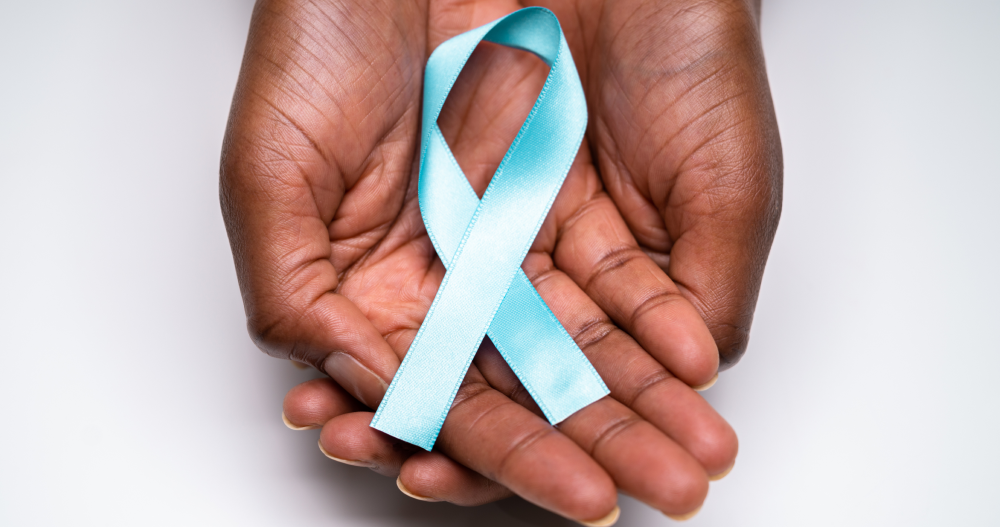
January is Cervical Cancer Awareness Month—a time to educate, empower, and take action to prevent this highly treatable disease. While cervical cancer is preventable through vaccination and routine screenings, disparities in access to care mean that not everyone benefits equally. At Marin City Health and Wellness Center, we’re committed to raising awareness, providing resources, and ensuring that life-saving screenings are accessible to those who otherwise lack access.

Understanding Cervical Cancer: National and Local Perspectives

In 2024, cervical cancer affected close to 14,000 people in the United States, with over 4,000 deaths each year. In California, nearly 1,400 women are diagnosed with cervical cancer annually, and in the Bay Area, we see disparities in access to preventative care. In Marin City and surrounding areas, cervical cancer rates remain a concern, particularly among underserved populations.


According to the American Cancer Society:

  • More than half of new cervical cancer cases occur in individuals who have either never been screened or have been screened infrequently.
  • Cervical cancer rates are significantly higher among certain racial and ethnic groups compared to Non-Hispanic White individuals: 50% higher in American Indian and Alaska Native populations, over 30% higher in Hispanic populations, and more than 22% higher in Non-Hispanic Black populations.
  • Increased HPV vaccination among adolescents aged 13-17 has contributed to a steady decline in cervical cancer rates.
  • Cervical cancer rates are decreasing among younger individuals who had access to the HPV vaccine, with an 11% annual decline among those aged 20-24 since 2012. However, rates are rising by 1.7% annually for those aged 30-44, a group that did not have access to the vaccine when they were younger.

Barriers to Care: How Underserved Communities Face Higher Risks

Research shows that African American women and women in underserved communities face higher rates of cervical cancer. This disparity stems from systemic issues like limited access to healthcare, financial barriers, and a lack of culturally sensitive care. Studies have found that women in these groups are less likely to receive routine screenings and HPV vaccinations, leading to later-stage diagnoses and higher mortality rates. 


In 2021, cervical cancer screening rates were lower among Asian (65%), American Indian and Alaska Native (68%), and Hispanic (68%) populations, compared to Non-Hispanic White (80%) and Non-Hispanic Black (76%) populations.


Cervical cancer incidence and outcomes do vary based not only on race but economic status. African American women have the highest mortality rates from cervical cancer in the U.S., and studies confirm that socioeconomic factors, combined with historical and systemic inequities, contribute significantly to these disparities.

Screenings Save Lives: Free Resources at MCHWC

Screening and early detection are key to preventing cervical cancer. Pap smears and HPV tests can identify changes early, and HPV vaccinations can prevent the majority of cervical cancer cases.


Marin City Health and Wellness Center is committed to breaking down barriers to care by offering cervical cancer (PAP) and HPV screenings at our Women’s Health Center. These services ensure that individuals in our community have access to life-saving preventative care, regardless of income or insurance status.

Take Action Today

Cervical cancer is preventable, and early detection is critical. Schedule your free screening today by calling (415) 339-8813. Let’s reduce disparities and protect the health of everyone in our community.

About MCHWC

Marin City Health and Wellness is a community health clinic serving Marin and San Francisco Counties, providing innovative health and wellness services to all, with the goal of African American health equity.


Filed under: Marin City ClinicTagged with: , , , , ,

The Importance of National Poverty Awareness Month

January marks National Poverty Awareness Month, a time to reflect on the pervasive issue of poverty in America and to take actionable steps toward change. Poverty affects millions of Americans, limiting access to essential resources like housing, education, and healthcare. For many, community health centers (CHCs) serve as a vital lifeline, offering affordable, quality care to those who might otherwise go without.


At Marin City Health and Wellness Center (MCHWC), we are part of a network of nearly 4,000 community health centers across the United States dedicated to bridging the gap in healthcare access for underserved populations. Through grassroots efforts and a commitment to African American health equity, MCHWC is helping to address the health disparities that disproportionately affect people living in poverty.

Raising Awareness About Poverty in America

California is often seen as a land of opportunity, yet it also has one of the highest poverty rates in the country when adjusted for the cost of living. According to the Public Policy Institute of California, nearly 12.4% of Californians live in poverty.

The Bay Area and Marin County

In the Bay Area, wealth and poverty exist side by side. Despite being a hub of innovation and affluence, the region struggles with stark income inequality. High housing costs and the rising cost of living push many individuals and families into financial hardship.

In Marin County, the issue is no less pressing. Known for its scenic beauty and well-heeled communities, Marin County’s poverty often remains hidden. However, pockets of economic struggle exist, particularly among African Americans, residents of public housing, and those experiencing homelessness. Marin City stands as a poignant example of this divide, where communities face significant challenges in accessing affordable healthcare and other essential services.

The Role of Community Health Centers in Addressing Poverty

Community health centers are vital in providing equitable access to healthcare. At MCHWC, we serve as a lifeline for underserved populations, offering comprehensive medical, dental, and behavioral health services on a sliding scale. By accepting Medicaid and providing free or low-cost services, we ensure that financial barriers do not prevent individuals from receiving the care they need.

Bridging the Gap

In addition to routine care, MCHWC hosts free events to address critical health needs, such as mammograms, cervical cancer (PAP) screenings and  youth check-ups.These services are especially crucial for communities that experience higher rates of chronic illness due to lack of preventative care.


“Our mission is to make healthcare accessible to everyone, regardless of their financial situation. It’s about equity and dignity,” says Marin City Health and Wellness Center CEO Harold Wallace. 


CHCs like MCHWC don’t just provide medical care—they offer holistic support. From basic medical care to mental health services, our programs are designed to address the multifaceted challenges faced by those living in poverty.

How You Can Support Community Health Centers

Supporting community health centers like MCHWC is a meaningful way to make a difference. Here are a few ways to contribute:


  1. Donate: Financial contributions help us expand our services and reach more individuals in need.
  2. Volunteer: Whether it’s your time or expertise, volunteering can make a direct impact.
  3. Advocate: Speak to local and state representatives about the importance of funding CHCs.
  4. Spread Awareness: Share information about the work of CHCs on social media or within your community.

Raising Awareness About Poverty in America

Medical staff at MCHWC say that poverty isn’t just a lack of income. It’s a lack of access to opportunity and resources. By working together, we can create systemic change.


Addressing poverty requires a collective effort. Here are some additional ways individuals can help:

  1. Educate Yourself and Others: Learn about poverty statistics and the systemic issues that contribute to economic disparities. Share this knowledge to encourage informed conversations.
  2. Support Local Organizations: In addition to CHCs, consider supporting food banks, housing initiatives, and other nonprofits that directly assist those in need.
  3. Participate in Advocacy Efforts: Join campaigns that address poverty at a policy level, such as affordable housing initiatives or healthcare reform.
  4. Engage with Your Community: Host or attend events, workshops, or fundraisers that spotlight poverty-related issues and solutions.

Commit to Equity, Reduce Poverty

National Poverty Awareness Month serves as a reminder that poverty is a persistent issue affecting millions of Americans. For those of us at MCHWC, it’s an opportunity to highlight the critical role that community health centers play in fostering health equity. Our work is far from over, but with continued support, we can make meaningful progress.


We invite you to join us in January to making a difference. Peruse our website to learn more about MCHWC’s programs and services, make a donation, or find volunteer opportunities. Let’s build a healthier, more equitable future for all.

Filed under: Marin City ClinicTagged with: , , , ,

HIV/AIDS in Focus: Progress, Challenges, and Community Care

Every December, National HIV/AIDS Awareness Month provides an opportunity to reflect on the progress made in fighting the HIV/AIDS epidemic and renew efforts to address ongoing challenges. For community health centers, particularly in areas like the San Francisco Bay Area and Marin City, this month is a time to focus on outreach, education, and expanding access to essential testing and treatment services.

The State of HIV/AIDS in the United States

The United States has made significant strides in combating HIV/AIDS, yet the epidemic remains a public health challenge. According to the Centers for Disease Control and Prevention (CDC), approximately 1.2 million people in the U.S. are living with HIV. Despite progress in treatment, about 13% of those individuals remain unaware of their status, highlighting the importance of testing.

Demographics Most Affected

HIV continues to disproportionately impact certain populations:


Black and Hispanic/Latino Communities: These groups account for the majority of new diagnoses, with Black individuals making up 40% and Hispanic/Latino individuals 29%, despite representing smaller portions of the overall U.S. population.


Men Who Have Sex with Men (MSM): This group remains the most affected, accounting for approximately two-thirds of new diagnoses.


Transgender Women: Especially women of color, are at significantly higher risk.


Youth (ages 13-24): Young people represent a significant portion of new cases, many of whom are unaware of their status.

HIV/AIDS in the San Francisco Bay Area and Marin City

The San Francisco Bay Area has long been at the forefront of HIV/AIDS advocacy and innovation. From the early days of the epidemic to today’s advances in treatment and prevention, the region has been a model for comprehensive care. However, disparities persist.


In Marin City, a predominantly African American community, the challenges of addressing HIV/AIDS are compounded by systemic inequities. Access to healthcare, stigma, and socioeconomic factors play a significant role in health outcomes. Community health centers, like Marin City Health and Wellness Center, are working diligently to bridge these gaps by offering free and low-cost services, conducting outreach, and ensuring that all residents have access to life-saving care.

The Role of Community Health Centers

Community health centers are essential in the fight against HIV/AIDS, particularly in underserved areas. Their efforts include:


  1. Testing and Diagnosis: Providing free and confidential HIV testing to encourage early diagnosis. Offering walk-in clinics and mobile testing units to reach communities with limited healthcare access.
  2. Treatment: Ensuring timely access to antiretroviral therapy (ART), which allows people living with HIV to lead long and healthy lives. Educating patients about achieving an undetectable viral load, which means the virus cannot be transmitted sexually (U=U: Undetectable = Untransmittable).
  3. Prevention with PrEP: Expanding access to pre-exposure prophylaxis (PrEP), a daily pill that significantly reduces the risk of contracting HIV. Offering education about PrEP, especially to populations at higher risk, such as MSM and Black and Latino/Hispanic individuals.
  4. Support Services: Connecting patients with counseling, housing assistance, and other support programs. Offering culturally competent care that acknowledges and addresses the unique needs of diverse populations.

Stigma: A Lingering Challenge

Despite advancements in treatment and prevention, stigma around HIV/AIDS persists. This stigma can prevent people from seeking testing, accessing treatment, or disclosing their status. Among the misconceptions:


HIV as “No Longer a Problem”: Many believe that HIV is no longer a significant issue due to advancements in treatment. However, new infections still occur, and many communities remain disproportionately affected.


Fear of Judgment: For individuals in smaller or tight-knit communities, such as Marin City, concerns about privacy and judgment can deter them from seeking care.


Misinformation: Myths about transmission and outdated beliefs about what it means to live with HIV contribute to ongoing stigma.


Community health centers play a critical role in combating this stigma through education campaigns, open dialogue, and inclusive care. By normalizing conversations around HIV, they help reduce fear and encourage proactive health behaviors.

Challenges and Opportunities

Challenges

Healthcare Access: For marginalized communities, barriers such as cost, transportation, and lack of insurance limit access to testing and treatment.


Awareness and Education: While awareness has increased, gaps remain, particularly among younger generations who may not perceive HIV as a personal risk.


Health Disparities: Systemic inequities mean that some groups, especially African American and Latino communities, face higher risks and worse outcomes.


Opportunities

Community Engagement: Partnering with local organizations, schools, and churches to expand outreach and build trust.


Telehealth: Expanding telemedicine options for follow-up care and medication management.


Innovations in Prevention: Increasing awareness and access to PrEP, as well as emerging long-acting injectable options for prevention and treatment.

Call to Action

National HIV/AIDS Awareness Month is a reminder that the fight against HIV is far from over. Community health centers in the Bay Area and Marin City are on the frontlines, providing critical services and advocating for equitable access to care.


This month, let’s commit to:

  • Getting Tested: Knowing your status is the first step to protecting your health. Call (415) 339-8813 to schedule a free, confidential appointment at Marin City Health and Wellness Center.
  • Supporting Community Health Centers: Through donations, volunteering, or spreading awareness, you can help amplify their impact.
  • Breaking the Stigma: Open conversations and education can reduce fear and encourage proactive health behaviors.


Together, we can sustain and accelerate progress, ensuring that everyone has the opportunity to live a healthy, fulfilling life.

Filed under: Marin City ClinicTagged with: , , , , ,

Prioritizing Black and Hispanic Men’s Well-Being for Longer, Healthier Lives

On average, men die nearly five years earlier than women—a disparity partly due to men’s lower likelihood of visiting the doctor regularly or seeking medical attention when health concerns arise. This issue is even more pronounced for Black and Hispanic men, who face unique challenges and health disparities that require specific attention and action. 


Community health centers are essential in addressing these unequal health outcomes,  encouraging regular check-ups and fostering a culture of proactive health management. Movember, an annual event dedicated to raising awareness about men’s health, also plays a vital role in promoting this message, motivating men to take charge of their health for both themselves and their loved ones.

Health Disparities Among Black and Hispanic Men

Black and Hispanic men face significant health inequities compared to their white counterparts. These gaps are evident in various health outcomes, including higher rates of chronic diseases, lower life expectancy, and reduced access to quality healthcare services.


For instance, in California, Black men have a life expectancy of 75.1 years, which is significantly lower than the 86.3 years observed among Asian men.


Hispanic men, while having a higher life expectancy than Black men, still face substantial health challenges, particularly in areas such as mental health and chronic disease management.

The Role of Community Health Centers

Community health centers are instrumental in bridging the gap in healthcare access for underserved populations. In Marin City and the broader Bay Area, centers like Marin City Health and Wellness provide culturally competent care tailored to the specific needs of Black and Hispanic men. Services often include preventive care, chronic disease management, mental health support, and health education. Spanish-language services are also available. 


For example, MCHWC offers comprehensive services aimed at promoting men’s health within the community. By providing accessible and affordable healthcare, our clinics encourage men to engage in regular health check-ups, which are crucial for early detection and management of health issues.

The Importance of Regular Check-Ups

Regular health check-ups are vital for early detection and prevention of diseases. For Black and Hispanic men, who are at higher risk for conditions such as hypertension, diabetes, and certain cancers, routine screenings can lead to timely interventions and better health outcomes.


Despite the benefits, many men in our communities may avoid regular check-ups due to factors such as lack of insurance, cultural stigmas, or mistrust of the healthcare system. Community health centers work to overcome these barriers by offering services on a sliding scale, employing diverse staff who understand cultural nuances, and building trust within the community.

Movember: Raising Awareness and Encouraging Action

Movember is an annual event that takes place every November, aiming to raise awareness about men’s health issues, including mental health, suicide prevention, prostate cancer, and testicular cancer. Participants, known as “Mo Bros,” grow mustaches to spark conversations and encourage men to take charge of their health.


Movember also serves as a platform to address specific health disparities and promote preventive measures. By participating in Movember, community health centers can engage men in discussions about the importance of regular check-ups and provide information on available resources.

Mental Health and Suicide Prevention

Mental health is a critical component of overall well-being, yet it is often overlooked among men, particularly in Black and Hispanic communities. Cultural stigmas and a lack of culturally competent mental health services contribute to underdiagnosis and undertreatment.


According to the Centers for Disease Control and Prevention, nearly 9% of men experience daily feelings of anxiety or depression, yet less than half seek treatment.


For Black and Hispanic men, the rates of seeking mental health services are even lower, highlighting the need for targeted outreach and support.


Community health centers can play a pivotal role by offering mental health services that are accessible and culturally sensitive. Initiatives such as support groups, counseling services, and mental health education can help reduce stigma and encourage men to seek help.

Prostate and Testicular Cancer Awareness

Prostate and testicular cancers are significant health concerns for men. Black men are at a higher risk for prostate cancer and often experience more aggressive forms of the disease. Hispanic men, while at a slightly lower risk, still face challenges related to awareness and access to screening.


Movember emphasizes the importance of regular screenings for these cancers. Community health centers can support this initiative by providing information on the importance of screenings, offering testing services, and facilitating referrals to specialists when necessary.

Statistics Specific to Marin City and the Bay Area

In Marin County, health inequities are evident among different racial and ethnic groups. For example, the suicide rate in Marin County is higher than the state average, with white individuals having the highest rates. However, Black and Hispanic communities also face challenges related to mental health access and stigma.


Additionally, data from the California Department of Public Health indicates that Black and Hispanic populations in the Bay Area have higher rates of certain chronic diseases and lower access to preventive services compared to their white counterparts.

Encouraging Men to Take Action

Addressing men’s health gaps requires a multifaceted approach that includes education, access to services, and community engagement. Community health centers are at the forefront of this effort, providing essential services and fostering environments where men feel comfortable seeking care.


Encouraging men to schedule regular check-ups involves:

  • Education: Providing information on the importance of preventive care and the specific health risks faced by Black and Hispanic men.
  • Accessibility: Offering services that are affordable, conveniently located, and culturally sensitive.
  • Community engagement: Building trust through outreach programs, partnerships with local organizations, and involvement in community events.


By taking these steps, community health centers can empower men to take charge of their health, leading to improved outcomes and a reduction in health disparities.

Filed under: Marin City ClinicTagged with: , , , ,

Combating Diabetes for Health Equity

November is American Diabetes Month, a time to reflect on the impact of diabetes and unite efforts toward managing, preventing, and ultimately ending this disease. Diabetes impacts over 37 million people across the United States, with underserved communities, especially African American populations, disproportionately affected.


In areas where systemic barriers often stand between residents and the resources they need for health, community health centers, like Marin City Health and Wellness Center (MCHWC), are committed to addressing these disparities.


Let’s explore the specific challenges our community faces in combating diabetes and what MCHWC is doing to support prevention, education, and effective management as we work together for a healthier Marin City.

American Diabetes Month: Why It Matters

American Diabetes Month serves as a national call to action. The month is organized by the American Diabetes Association (ADA) to spread awareness about the risks, symptoms, and management of diabetes. During this month, health organizations nationwide emphasize diabetes prevention and self-management and the role of community and education in addressing diabetes on a broader scale. For community healthcare providers, November is an opportunity to go beyond general awareness and focus on meaningful action to break down the barriers preventing the disadvantaged from achieving optimal health.


The theme for 2024’s American Diabetes Month is “Together, We Stand Against Diabetes.” This theme underscores the need for a united approach, recognizing that combating diabetes requires a comprehensive, community-focused approach that considers equity and accessibility, and that access to resources, food security, healthcare, and education are not privileges but fundamental rights.

Understanding the Impact of Diabetes in California and Marin City

California is home to nearly 4 million adults with diabetes, and according to the California Department of Public Health, African American adults face nearly double the diabetes rates of their white counterparts. This pattern holds true in Marin City, where barriers like limited healthcare access, food insecurity, and a lack of educational resources create obstacles to effective diabetes management and prevention. MCHWC is here to break these barriers, one by one, in ways that empower individuals and families to thrive.

Understanding Diabetes: Type 1 vs. Type 2

Before diving deeper into the specific barriers our community faces, it’s helpful to understand the two types of diabetes:


Type 1 Diabetes is an autoimmune condition that occurs when the immune system mistakenly attacks insulin-producing cells in the pancreas, leading to an insulin deficiency. Those with Type 1 diabetes require daily insulin therapy to manage their blood sugar levels. While it can develop at any age, it is most commonly diagnosed in children and young adults (which is why it was once referred to as Juvenile Diabetes) and, unlike Type 2 diabetes, is not preventable and does not have a prediabetes stage.


Type 1 accounts for about 5–10% of all diabetes cases.


Type 2 Diabetes is far more common, making up around 90–95% of diabetes cases. It’s often linked to lifestyle factors and tends to develop gradually over time as the body becomes resistant to insulin or fails to produce enough insulin. This type is largely preventable and manageable with lifestyle changes, but for many in underserved communities, the resources to make these changes are often out of reach.


Unlike Type 1 Diabetes, Type 2 has a prediabetes stage. Prediabetes occurs when blood glucose levels are higher than normal but not yet high enough to be classified as Type 2 Diabetes. It is a warning sign that a person is at risk of developing Type 2 Diabetes.

Type 2 Diabetes: A Cascade of Complications

Left unmanaged, Type 2 Diabetes can lead to a range of serious complications, including heart disease and stroke, as well as kidney disease and vision problems. Poor blood flow increases risks for foot infections and, in severe cases, amputation. Nerve damage (neuropathy) can cause numbness, pain, and tingling. Managing blood sugar through diet, exercise, and regular medical check-ups is essential to lowering the risk of these health complications.

Addressing Key Challenges in Our Community

MCHWC focuses on four key challenges in our work toward health equity in Marin City. Our approach is rooted in understanding the social determinants of health—those factors beyond genetics that influence health outcomes. These determinants include economic stability, access to quality healthcare, and safe living environments, and they play a large role in the disparity in diabetes rates for African American communities.

  1. Limited Access to Quality Healthcare
    Without regular screenings, diabetes often goes undiagnosed or unmanaged, leading to dangerous complications. Our staff works to ensure patients receive timely care and know that they have a support network behind them.
  2. Socioeconomic Challenges
    Economic instability, job insecurity, and income inequality make it difficult for many in our community to afford the medications, monitoring supplies, and dietary modifications essential for managing diabetes. The ADA reports that diabetes-related healthcare costs are often twice as high for people with diabetes, adding to the burden. MCHWC partners with local organizations and social programs to bridge these gaps.
  3. Food Insecurity and Poor Nutrition
    African American communities are more likely to live in “food deserts,” areas where access to fresh, affordable produce is limited or nonexistent. This lack of access to nutritious food not only contributes to diabetes risk but also makes diabetes management harder for those already diagnosed. MCHWC actively works to provide resources that support healthier dietary choices that align with patients’ budgets and cultural preferences. From nutritional guidance to providing resources like local food banks, we ensure that individuals in our community have the information and access they need to make choices that support their health.
  4. Lack of Awareness and Education
    Understanding diabetes risks, symptoms, and management options can be challenging. MCHWC offers diabetes self-management that empower patients with the knowledge and tools they need. Our health educators offer information on healthy eating and are trained to meet people where they are, both physically and culturally. Our goal is to ensure everyone in our community feels capable of taking control of their health.

How You Can Get Involved

American Diabetes Month is an opportunity for everyone to take part in the fight against diabetes. Here are some ways you can support MCHWC’s mission and help make a difference in Marin City:

  • Support local health programs: Contributing to MCHWC’s services ensures that those in need have access to healthcare, screenings, and nutritional counseling.
  • Spread awareness: Talking about diabetes and sharing information with family and friends can encourage others to get screened or adopt healthier habits.
  • Volunteer your time: If you have a background in health, wellness, or community work, consider volunteering with local health centers or programs. Your time can help expand the reach of diabetes education and support in Marin City.

Managing Diabetes: Take the First Step

Managing diabetes can feel overwhelming, but no one has to face it alone. At Marin City Health and Wellness Center, our team is here to support every step of the journey. We provide a wide range of resources, from nutrition counseling and wellness coaching to free screenings and diabetes education programs. This American Diabetes Month, we encourage you to reach out, whether for yourself or a loved one. To schedule a free one-on-one session for nutrition, exercise, and wellness counseling, call us at (415) 339-8813 or email [email protected].

Looking Ahead: Working Toward a Healthier Future

At MCHWC, we believe that equitable healthcare is essential to a just society. By addressing the social determinants that impact diabetes rates, from food insecurity to healthcare access, we are working to create a Marin City where everyone has the resources to live a healthy life. This American Diabetes Month, let’s stand together to raise awareness, drive change, and make a difference in our community’s health. Together, we can work toward a future free from the disproportionate burden of diabetes in African American communities, ensuring that all have the opportunity to live well.

Filed under: Marin City ClinicTagged with: , , , ,

New CMO: 30+ Years’ Experience, Deep Commitment to Community

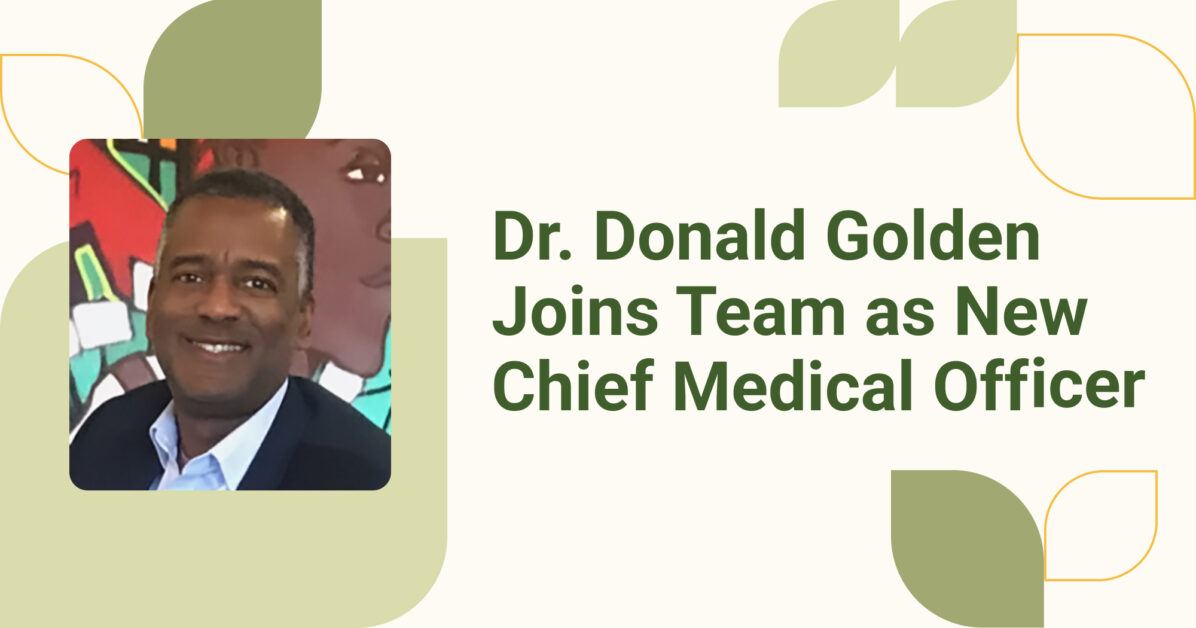
Marin City, CA – October 25, 2024 – The Marin City Health and Wellness Center is pleased to announce the appointment of Dr. Donald Golden as its new Chief Medical Officer. Dr. Golden brings over 30 years of extensive healthcare experience, a deep commitment to community service, and a passion for mentoring future generations of medical professionals.


Born and raised in Berkeley, California, Dr. Golden began his medical journey with a solid foundation at the University of California, Berkeley, followed by his medical training at UCLA. As a first-generation medical doctor, he has paved the way for future generations, inspiring relatives to follow in his footsteps and pursue careers in healthcare.


Throughout his career, Dr. Golden has been dedicated to serving underserved communities across California. His professional journey has seen him master a diverse range of specialties, holding over 30 different roles from the Bay Area to Southern California. He currently holds full or partial privileges at 10 hospitals, showcasing his versatility and vast expertise in the field.


Dr. Golden’s commitment extends beyond clinical practice. As a respected faculty member at prestigious institutions such as Stanford, UCSF, and Touro, he has dedicated much of his career to educating and mentoring the next generation of healthcare professionals. His dedication to education is complemented by his deep ties to family, including his supportive wife and two wonderful children.


Reflecting on his journey, Dr. Golden credits his parents for being his greatest role models, instilling the values of hard work, compassion, and resilience. These values have guided his mission to provide quality healthcare to those who need it most.


“I am honored to join the Marin City Health and Wellness Center and continue my work in serving communities across Marin, San Rafael, and Bayview Hunters Point,” said Dr. Golden.


Having collaborated with Pat Coleman, the daughter of Dr. Arthur Coleman, the namesake of our Bayview clinic, Dr. Golden added, “I am excited to bring my skills and experience to further uplift the community with compassion and excellence.”


The Marin City Health and Wellness Center looks forward to the positive impact Dr. Golden will have in his new role, strengthening the center’s mission to provide comprehensive, accessible healthcare to all members of the community.

About MCHWC

Marin City Health and Wellness is a community health clinic serving Marin and San Francisco Counties, providing innovative health and wellness services to all, with the goal of African American health equity.

Filed under: Marin City ClinicTagged with: , , ,